If you need reliable solar power for a boat, these marine-ready panels are built to withstand salt air, vibration, and variable sunlight. This guide highlights five suitable options, explains who each is best for, and compares key strengths. Ideal buyers include weekend boaters seeking lightweight flexibility, long-range cruisers needing durable performance, and DIY enthusiasts upgrading an off-grid marine setup.
| Product | Best For | Why It Stands Out |
|---|---|---|
| ECO-WORTHY 2x130W Flexible Panels | Curved hulls and irregular surfaces | 270° flexibility, lightweight, high output per panel |
| SOLPERK 20W Kit | Low-power trickle charging and maintenance | Complete kit with smart controller, rugged build |
| Renogy 100W N-Type Panel | High-efficiency flat to moderate curves | 25% efficiency, improved longevity with 16BB cells |
| EPOCH 800W Bifacial Kit (400W×2) | High daily energy needs, off-grid boats | Bifacial design with high efficiency and waterproofing |
| Renogy 100W Flexible Panel | Ultra-lightweight and curved surfaces | Very light, bendable up to 240°, PERC tech |
Notes: Each product is described with its applicability to boats, including any notable limitations. Information reflects listed features and typical marine-use considerations such as waterproofing and surface compatibility. Always verify physical fit and mounting options for your hull or deck before purchase.
ECO-WORTHY 2x130W Flexible Panels

Two 130W flexible monocrystalline panels with a 270° bending range. Best for boats with curved surfaces such as hulls or cabin roofs. Ultra-thin at 0.1 inches and light at 4.4 pounds per panel, aiding installation on limited decking.
- Best for boats needing flexible, curved-surface coverage.
- Selected for higher per-panel output and substantial sun capture under variable marine conditions.
Caution: Flexible panels can be sensitive to repetitive flexing; ensure mounting treats surface stresses consistently to avoid microcracks over time.
SOLPERK Solar Panel Kit 20W
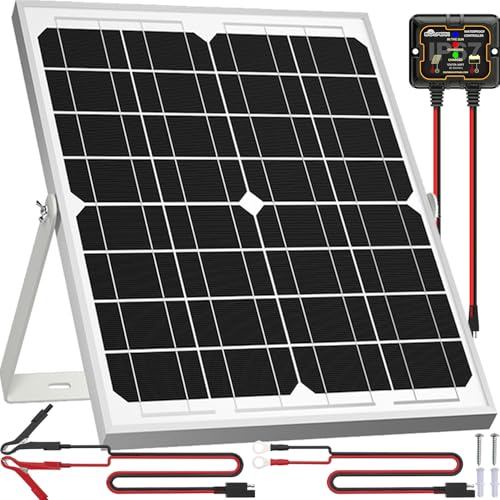
A 12V 20W solar panel with a high-efficiency 21–30% monocrystalline cell. Includes a Smart MPPT controller and adjustable mount for boats, cars, RVs, and other marine setups.
- Best for small maintenance charging and trickle charging on boats with modest power needs.
- Smart controller helps prevent overcharging and communicates charging status.
Caution: Limited wattage means it’s not ideal for high daily energy draws; plan for supplemental charging if you have heavy electrical use.
Renogy 100W Solar Panel N-Type

100W panel using N-type cells with 25% efficiency. 16BB cell design reduces hotspots and increases lifespan. Suitable for boats with flat or mildly curved surfaces.
- Best for stable, higher-efficiency performance on medium-curved decks.
- Choose this if you want improved long-term reliability and reduced heat-related loss.
Caution: Performance may drop on very curved surfaces; ensure mounting accommodates bending limits to avoid micro-ruptures.
EPOCH 800W Bifacial Kit
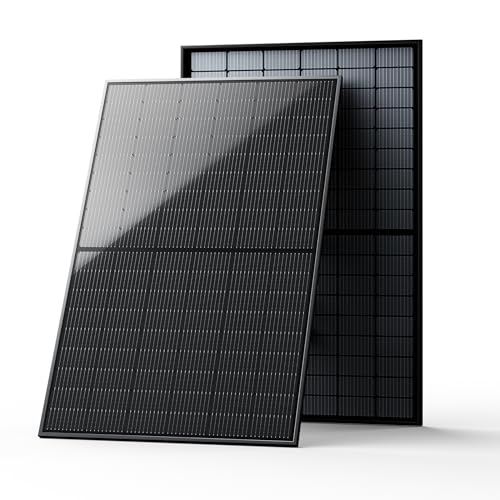
Two 400W panels delivering up to 800W total with bifacial design. Class A cells, high efficiency up to 25%, and IP68 waterproof box with durable connectors. Designed for RVs, boats, and off-grid marine setups.
- Best for boats with significant energy needs and exposure to bright sun on both sides (where feasible).
- Advantage of bifacial capture, especially in reflective water environments.
Caution: Higher upfront complexity and cost; ensure mounting and electrical layout can support the higher system voltage and wiring.
Renogy 100W Flexible Panel
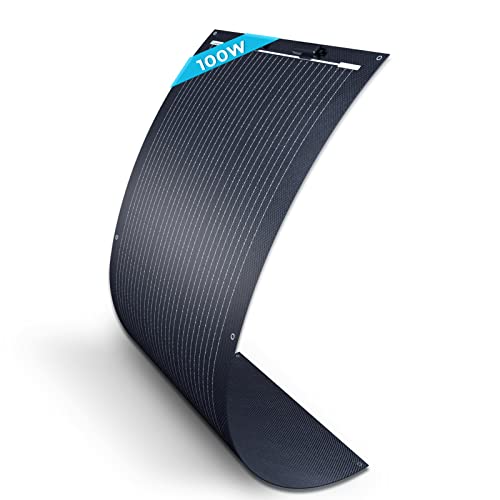
Ultra-light, bendable 100W panel suitable for curved boat surfaces. 240° flexibility and half-cut PERC cells support efficient energy capture on irregular hulls.
- Best for boats needing a highly portable, lightweight solution on curved decks.
- Flexible construction can reduce mounting hardware needs and preserve deck space.
Caution: Flexible panels require careful mounting to avoid flex-induced damage; ensure secure attachment on all edges and corners.
Buying Guide: Solar Panels For Boats
What should you consider when choosing marine solar panels?
- Surface compatibility: Do you have a curved hull, a flat deck, or an irregular surface? Flexible panels excel on curved surfaces, while rigid panels perform well on flat areas.
- Power needs: Estimate daily energy consumption. If you run several accessories, a higher wattage kit or bifacial setup may be beneficial.
- Durability: Look for waterproof ratings, corrosion resistance, and sturdy frames. Saltwater exposure requires robust construction.
- Weight and installation: Lightweight panels are easier to mount on boats, reducing installation time and load. Consider mounting hardware compatibility with rails, rails, or hull surfaces.
- Mounting flexibility: Some panels bend heavily to fit curved surfaces; others require mounting on a rack or surface with brackets. Choose according to your boat design.
- System readiness: If you plan to expand, ensure the chosen panels are compatible with existing controllers and battery banks.
Frequently Asked Questions
- What wattage panel is best for a small boat? A compact 20–100W panel can maintain essential electronics, but consider higher wattage if you rely on refrigeration or electronics for long passages.
- Are flexible panels better for boats than rigid panels? Flexible panels fit curved surfaces better and are lighter, but rigid panels often offer higher durability and easier replacement.
- Do I need a charge controller with marine panels? Yes. An MPPT controller optimizes charging and protects the battery from overcharging, especially in variable sunlight on the water.
- Can bifacial panels work on boats? Bifacial panels can capture light from both sides where reflective water surfaces exist, increasing output in bright, open-water conditions.
- How should I mount solar panels on a boat? Use marine-grade hardware, sealant, and vibration-resistant mounts. Ensure panels are angled toward the sun for maximum exposure and secured against waves.
- What maintenance do marine solar panels need? Clean panels to remove salt and bird droppings, inspect wiring and connectors, and check seals for waterproof integrity regularly.