Find Coast Guard approved boat flares that fit your needs and boat size. This guide compares five well-known, USCG-certified electronic and traditional signaling options, with clear pros and cons to help you buy confidently. Best for small sailboats, larger motorboats, or commercial vessels, these picks cover electronic distress signals, multi-signal kits, and traditional 12-gauge launchers. Each product is evaluated for visibility, durability, and ease of use to support quick decisions in emergencies.
| Product | Signal Type | Best For | Why It Stands Out |
|---|---|---|---|
| Sirius Signal C-1003 SOS LED Distress Signal | Electronic LED | Any size boat needing a reusable, long-lasting distress signal | Coast Guard approved; long operation time; bright visibility |
| TEKTITE SOSeFLARE 5 | Electronic Distress Light | Boats requiring a USCG & SOLAS compliant replacement kit | Durable, USA-made, includes audible signal and flag |
| ACR ResQFlare Electronic Distress E-Flare | Electronic Distress Flare | Emergency signaling with daytime and nighttime coverage | USCG approved replacement for pyrotechnics; 360° visibility |
| Orion Safety 584 ALERTER | 12-Gauge Flares | Boats already equipped for traditional flare disparity | Coast Guard approved, strong range and brightness |
| COASTAL ALERT LAUNCHER KIT | 12-Gauge Flares | Day and night signaling with a compact kit | USCG approved, includes SOLAS whistle |
Sirius Signal C-1003 SOS LED Distress Signal
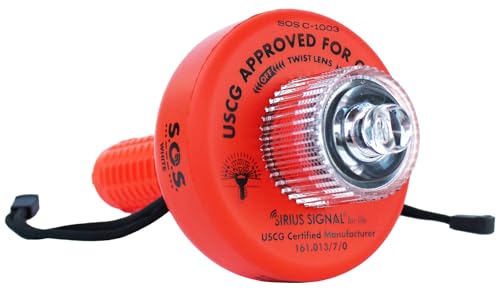
The Sirius C-1003 is a complete Coast Guard approved electronic distress kit that satisfies USCG night, day, and audible signaling requirements. It is best for boaters who want a reusable option with long life and high visibility. The device flashes a US Coast Guard compliant SOS signal for up to 60 hours and includes batteries. It is ideal for owners seeking a ready-to-use replacement for traditional flares and who value simplicity and reliability in emergencies. A notable caution is that you should check battery status regularly to ensure ongoing performance.
TEKTITE SOSeFLARE 5 No More Flares
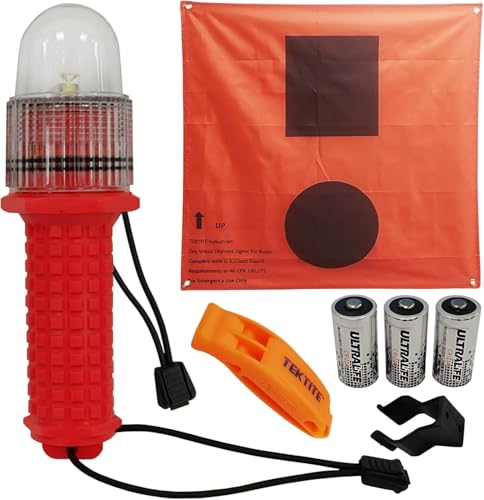
TEKTITE SOSeFLARE 5 is a USCG and SOLAS compliant electronic distress signal kit featuring a bright LED flare, a distress flag, and an audible signal. Best for boats that need a robust digital signaling device with daytime visibility, it operates on CR123 batteries and offers 30+ hours of use. Batteries are user-replaceable, and the unit is designed to float upright and be fully waterproof. A limitation to consider is the need to maintain a battery supply and ensure replacement batteries are on hand for extended trips.
ACR ResQFlare Electronic Distress E-Flare
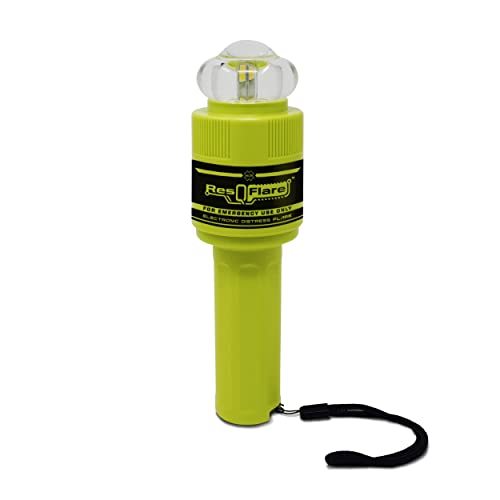
The ACR ResQFlare E-Flare is a compact, waterproof distress signal that includes a distress flag. It is certified under USCG 161.013 as a nighttime signaling device and provides 360° visibility. It floats automatically, reducing risk in rough seas. This option is best for boats prioritizing a lightweight, USCG-approved electronic alternative to pyrotechnic flares. A potential drawback is that it may require periodic checks to ensure components remain functional during long storage periods.
Orion Safety 584 ALERTER

The Orion Safety 584 ALERTER is a 12-gauge flare system designed for harsh marine conditions and includes a hammer safety lock and a six-signal bandolier. It delivers up to 500 feet altitude with significant brightness and a 7-second burn time. Best for crews that already use traditional flares and want a reliable, USCG-approved option. A limitation is the need for proper handling and storage of shell components to maintain safety and readiness.
COASTAL ALERT LAUNCHER KIT

The Coastal Alert Launcher Kit includes day and night signaling with six 12-gauge red aerial signals and a SOLAS-approved whistle with lanyard. This kit is best for users seeking a traditional, ready-to-deploy signaling package with clear day/night visibility. It is USCG approved, but requires familiarity with 12-gauge flare handling and proper storage. A caveat is that ammunition-like signaling may require careful compliance with local regulations and transport rules.
Buying Guide
What should you consider when choosing boat flares for Coast Guard approval? Start with signal type and deployment environment. Electronic distress signals offer reusable operation and long life, with advantages for day and night visibility and easy storage. Traditional 12-gauge flares provide a familiar, proven method but require proper handling, storage, and disposal. Compatibility with your craft’s signaling plan and local regulations matters. If you sail in offshore or high-traffic waters, prioritize 360° visibility and floating capability. Consider battery life, sealing (waterproof rating), and ease of maintenance when comparing models.
How to compare among options? Look for USCG approval status and whether the item serves as a replacement for pyrotechnic flares. For electronic devices, check run time and brightness, as well as whether the device can automatically right itself when dropped in water. For launcher kits, verify the number of signals included and the presence of day and night signaling aids like flags or whistles. For mixed-use vessels, combining an electronic distress signal with traditional flares provides flexible signaling across conditions.
Practical tips for purchase and use:
- Keep a spare battery or replacement power source for electronic signals.
- Store traditional flares in a dedicated, dry location and inspect periodically.
- Verify all components are USCG approved and within their service life limits.
- Test electronic devices in a safe, controlled environment as allowed by manufacturer guidelines.
- Include signaling devices in your regular safety checks and training drills.
FAQ
- Q: Do all products here meet USCG requirements? A: Each featured item is USCG approved or designed as a compliant replacement for traditional pyrotechnic signals.
- Q: Are electronic distress signals reusable? A: Yes; many models are designed for repeated use with replaceable batteries.
- Q: Which option is best for day signaling? A: Look for devices that include daytime signaling aids, such as flags or whistles along with the beacon.
- Q: Can I operate both electronic and flare systems on the same boat? A: Yes, many boats use a mix of electronic signals and traditional flares to maximize visibility in diverse conditions.
- Q: How often should I test these devices? A: Follow manufacturer guidelines; perform periodic tests that do not trigger false alarms and store spares for quick deployment.
- Q: Are there any storage or transportation restrictions? A: Traditional flares are subject to local regulations; always transport and store according to regulations and safety guidelines.