Flat bottom boat trailers require specialized parts to protect hulls and simplify loading, unloading, and transport. This guide highlights five top products designed for flat-bottom boats, skiffs, and jon boats. Each option targets a distinct need—bow stops, rollers, bunk padding, and protective plates—so buyers can pick the best match for their trailer type, load, and maintenance routine. Whether you’re a casual weekend angler or a professional mooring operator, these selections help prevent hull damage, reduce friction, and improve overall trailer performance. The table below compares key picks at a glance.
| Product | Best For | Why It Stands Out |
|---|---|---|
| Pangda Flat Boat Trailer Stand | Budget-friendly rollers | Durable rubber, 3×3 inch size, easy fit for many trailers |
| Sibavexon Flat Bow Stop | Centering and alignment | Flat base with non-marring pad, universal fit |
| UpluMarine Bow Stop Roller | Keel guidance | TPU roller with bow stop bell for smooth launches |
| Luocute Boat Trailer Bunk Carpet | Hull protection | Marine-grade felt padding, waterproof bottom layer |
| Attwood Trailer Boat Rubber Bow Roller | Replacement reliability | Non-marring, durable rubber with easy replacement |
Pangda Flat Boat Trailer Stand Review

The Pangda flat boat trailer stand is designed for 3×3 inch rollers and 1/2-inch shafts, making it a practical replacement part for many marine trailers. The rubber construction is thick and durable, suitable for marine environments and repeated loading cycles. This option is best for boat owners seeking a cost-effective, easy-to-install roller block that helps boats move smoothly on the trailer during loading and unloading. Consider this when your trailer currently uses smaller or worn rubber components.
Who it’s best for: anglers and casual boaters who want a simple, durable roller block to restore smooth operation without upgrading other trailer components. Limitation: may require compatible shaft and mounting hardware not included in the package.
Sibavexon Flat Bow Stop for Flat-Bottom Boats
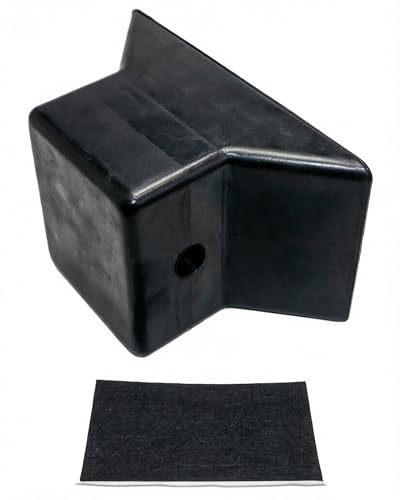
This bow stop is optimized for flat-bottom boats with a 3×2.75 inch base and a 5-1/2 inch span. It includes a 1/2-inch shaft hole and an optional felt pad designed to prevent hull mark transfer during loading and high-speed towing. The non-marring feature helps preserve paint and gelcoat while keeping the vessel centered. Best for boaters needing a secure center alignment with hull protection. A limitation is the need for a compatible bow bracket if your trailer uses an older system.
UpluMarine Bow Stop Roller, 5″ X 3″
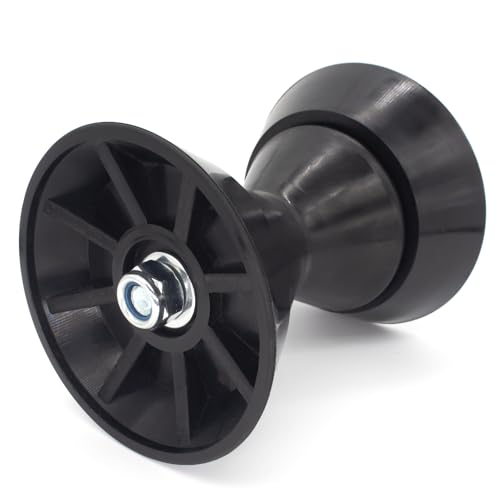
This V-shaped roller combines thermoplastic polyurethane elastomer (TPU) with a precise keel-guiding design. With overall dimensions of 5″ long and 4.2″ diameter (inner roller 3″ by 2.8″), plus a 0.5″ bolt, it provides a solid, long-lasting option for guiding the keel during loading and launching. Choose this if you need a robust, keel-friendly roller that reduces friction and improves ease of loading. Limitation: heavier construction may not suit ultra-light trailers with limited clearance.
Luocute Boat Trailer Bunk Carpet

Luocute offers a 7.87 x 236.22 inch bunk carpet in marine-grade felt with a waterproof bottom layer. This ready-to-use padding protects hulls from scratches during transport and loading. It is easy to install along bunk boards and can be trimmed for a custom fit. Best for owners seeking comprehensive hull protection and long-lasting padding. Caution: ensure compatible attachment methods since the padding is designed for simple unrolled placement and may require adhesive for security.
Attwood Rubber Bow Roller, 3×3

Attwood’s 3×3 rubber bow roller serves as a solid replacement option for many trailers. The non-marring rubber protects hull finishes and the design is suitable for use as original equipment or a straightforward replacement when worn. Best for buyers who want a reliable, low-cost upgrade without changing trailer hardware. Limitation: may wear over time in exposed marine conditions, requiring periodic replacement.
Buying Guide
Key considerations help match flat bottom boat trailer parts to vessel type and travel plans. Here are practical questions to guide your choice.
What hull material and finish require protection?
Hull materials like fiberglass, gelcoat, or painted surfaces benefit from non-marring pads and soft-contact rollers to minimize color transfer and scratches.
Which part is most important for my trailer?
Bow stops improve alignment during loading and launch. Rollers reduce friction and support keel guidance, while bunk padding protects along the entire hull length during transport.
Do I need universal fit or specific mounting?
Some items advertise universal fit (1/2″ shafts, standard bow brackets). Others require matching dimensions (3×3 inch bases, specific span). Check your trailer’s dimensions and bolt patterns before buying.
Is maintenance or replacement frequency a factor?
Rubber parts wear with exposure to water, sun, and salt. Bunk carpets and anti-fouling coatings require periodic replacement to maintain protection and performance.
What installation approach is best for me?
Ready-to-install parts are convenient for DIY trailers. Some products recommend adhesives or additional hardware not included in the package. Plan for mounting needs accordingly.
Frequently Asked Questions
- What is a flat bottom boat trailer bow stop used for?
It centers the boat on the trailer during loading and towing, reducing drift and hull contact.
- Are rubber bow rollers better than metal for hull protection?
Yes, rubber components are typically non-marring and minimize surface damage compared to metal.
- Can bunk carpet be trimmed to fit my trailer?
Yes, bunk carpet is designed to be trimmed for a custom fit along standard bunk boards.
- Do I need special tools to install these parts?
Most items require basic hand tools and may need adhesive or screws for security, depending on the product.
- How often should I replace trailer rollers or pads?
Replacement depends on usage and environment, but inspect for cracks, wear, and soft spots at regular intervals.
- What should I avoid when choosing skid plates?
Avoid unpainted or painted hulls that aren’t compatible with the skid material to prevent damage or scratching.