Yes, clamp-on oar locks provide a quick, tool-free way to secure oars to your boat, kayak, or dinghy. This guide highlights the top options for American buyers, explaining who each product is best for and why it stands out. If you need reliable corrosion resistance, choose stainless steel; for light-weight needs, consider aluminum. The selections below cover a range of boats and budgets, with practical notes to help you pick the right clamp-on oar locks for your setup.
| Product | Material | Best For | Key Advantage |
|---|---|---|---|
| RedSnake Clamp On Oar Locks (2-Pack) | 316 Stainless Steel | Excellent corrosion resistance and universal fit | |
| Smart Marine 2X Clamp On Oarlocks | 316 Stainless Steel | High-temperature weather resistance and adjustable fit | |
| Seachoice Zinc-Plated Steel Clamp-On Oar | Zinc-plated steel | Simple, affordable option with straightforward sizing | |
| Aluminum Oar Lock Pair (2 Pieces) | Aluminum | Portability and strong corrosion resistance in saltwater | |
| Stainless Steel Oar Locks (2PCS) | 316 Stainless Steel | Rotatable mounting plate reduces detachment risk |
RedSnake Marine Oarlock Socket 316 Stainless Steel (2-Pack)
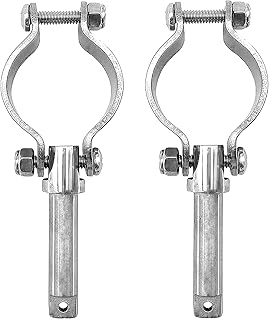
Material and fit: 316 stainless steel construction ensures superior corrosion resistance for harsh marine environments. The oarlock accommodates oars with inner diameters from 1.3″ to 1.8″ (34mm to 46mm) for versatile mounting options. Overall dimensions include a total length of 5.3″, shaft length of 2″, shaft diameter of 1/2″, and a clamp width of 3″ for secure mounting. Best for: boats that operate in saltwater or require long-term durability with adaptable oar sizing. Limitation: bulkier clamp footprint may affect compact setups on small craft.
Smart Marine 2X 316 Stainless Clamp On Oarlocks

Feature set: 316-grade stainless steel with high-temperature weather resistance and strong anti-rust properties. Tube size 1-5/8″, length 2″, shaft diameter 1/2″ (12.8 mm). Adjustable diameter covers oars from 1.34″ to 1.8″ (34mm–46mm). Best for: frequent travelers or vessels exposed to challenging climates, where durability matters. Limitation: larger tubes may not fit very small oars without precise measurement.
Seachoice Zinc-Plated Steel Clamp-On Oar

Design notes: Zinc-plated steel clamp-on oar locks with a 1/2″ x 2″ profile and an inside diameter of 1-3/8″. Best for: budget-minded buyers seeking a simple, proven clamp-on option for standard oars. Limitation: zinc plating is less resistant to long-term exposure than stainless steel, especially in aggressive saltwater scenarios.
2 Pieces Aluminum Oar Lock Oarlock Rowlock Set

Material and function: Aluminum oar locks, lightweight yet durable, designed to fasten securely with one adjustable bolt and require no drilling. Best for: dinghies, kayaks, and small sailboats where weight savings are important. Limitation: aluminum might not offer the same level of rigidity as steel in heavy-load rowing scenarios.
Stainless Steel Oar Locks, 2PCS

Key attributes: High-quality polished 316 stainless steel, durable and corrosion-resistant for both fresh and salt water. The clamp-on design uses one adjustable bolt with no drilling required. Best for: boats needing a rotatable mounting plate to prevent detachment, ensuring stability during vigorous rowing. Limitation: rotational features may require periodic checks to maintain tightness.
Buying Guide: Choosing Clamp On Oar Locks For Your Boat
- Material matters: Stainless steel (especially 316) offers superior corrosion resistance in saltwater. Aluminum provides lighter weight but can be less rigid over time. Zinc-plated steel is budget-friendly but may wear faster in harsh conditions.
- Oar diameter compatibility: Check the inner diameter range the lock accommodates. Align with your oar’s diameter to ensure a secure fit without excessive looseness or binding.
- Mounting style and durability: Clamp width, bolt size, and whether drilling is required impact installation ease and rigidity. Rotatable mounting plates add stability on rough water or when strong backwash occurs.
- Application fit: For small kayaks and dinghies, lighter aluminum options can save weight. For larger vessels, stainless steel options provide longer life and better resistance to salt exposure.
- Maintenance considerations: Stainless locks benefit from regular cleaning to prevent surface buildup and ensure smooth rotation. Check bolts for tightness after long trips or impacts.
Frequently Asked Questions
- Are clamp-on oar locks easy to install? Yes. Most models require no drilling and use a bolt to secure the oar lock to the oar.
- Which material lasts longest in saltwater? 316 stainless steel generally lasts the longest due to superior corrosion resistance.
- Can I use clamp-on oar locks on a small kayak? Yes, especially compact aluminum or lightweight stainless options designed for smaller craft.
- Do I need to replace oar locks if they rotate? Some models include rotatable mounting plates to prevent detachment; ensure proper tightening and inspect regularly.
- How do I choose the right inner diameter? Measure your oar diameter and pick a lock that fits within that range for a secure grip.
- Are two oar locks better than one? Using two locks provides better balance and control, especially on larger boats or when rowing vigorously.