Answering the needs of boaters who rely on compact diesel power, this guide highlights practical gear that supports starting, charging, and fuel handling on small diesel boats. The top picks are best for owners who want reliable starting devices, compact jumper kits, and safe fuel transfer tools for in-boat use, dockside refueling, or remote locations. This selection targets boaters who prioritize safety, portability, and straightforward operation in tight spaces.
Summary table of chosen products:
| Product | Brand | Best For | Why It’s Chosen |
|---|---|---|---|
| Guest 2300A Diesel Power Battery Selector Switch | Guest | Battery management and switching | Simple, rugged selector for diesel setups with multiple batteries. |
| NOCO Boost GB40 | NOCO | Emergency starting and power bank | High peak amps with spark-proof safety and USB power bank. |
| Koulate Portable Fuel Transfer Pump | koulate | In-boat fuel transfer for diesel and gasoline | Compact, fast transfer with auto-stop and universal adapters. |
| TREKURE Car Battery Jump Starter | TREKURE | All-in-one jump starter for diesel engines | High peak current, compact design, multiple charging options. |
| NOCO Boost GB70 | NOCO | Heavy-duty starting and power | Even higher amps, same safety features and portable power bank. |
Guest 2300A Diesel Power Battery Selector Switch

The Guest 2300A Diesel Power Battery Selector Switch configurations support diesel-powered boats with multiple batteries. Best for boat owners seeking a simple, rugged method to choose between battery banks or isolate circuits. The device’s primary role is to ensure reliable on-board power routing without complicated wiring. Limitation: no modern smart features; rely on manual selection to manage power.
NOCO Boost GB40: 1000A UltraSafe Jump Starter
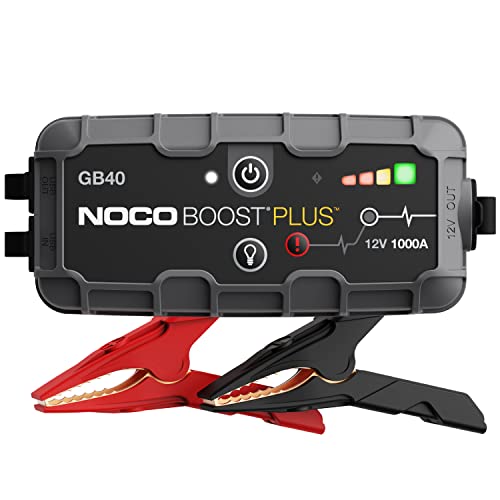
Best for boats that need a portable, reliable jump starter with emergency charging. The GB40 offers up to 1000 amps for quick startups on engines up to 6.0L gas and 3.0L diesel. It includes ULTRASAFE technology—spark-proof and reverse polarity protection—for safe connections in marine environments. It also doubles as a compact power bank for smartphones and tablets. Caution: fully charge before extended trips; cold temperatures can affect performance.
Koulate Portable Fuel Transfer Pump
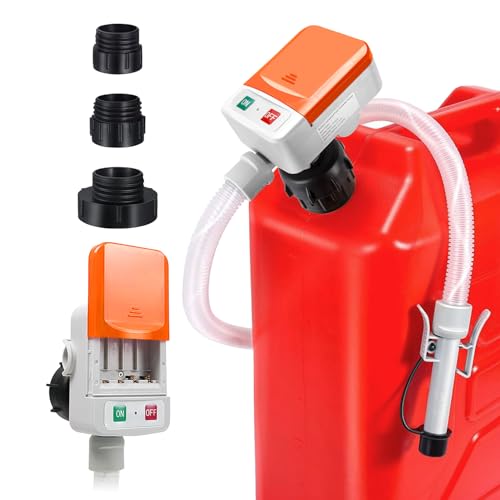
Best for quick fuel transfers on boats without manual siphoning. The Koulate unit is ultra-portable, weighing about 1.8 pounds, with a 51-inch hose and universal adapters to fit most containers. Features include auto-stop when the tank is full and an audible alarm for hose disconnections. Choose this if you want faster fueling and better spill control. Limitation: performance depends on the height and fuel viscosity; heavier tanks may slow the flow slightly.
TREKURE Jump Starter 8000A

Best for larger diesel engines on small boats requiring robust cranking power. The TREKURE unit delivers 8000A peak current and includes a FORCE START function for fast starts across extreme temperatures. With 26800mAh capacity and 18W fast charging, it serves as a versatile power bank and LED lighting tool. It’s a compact option for storage and quick access during trips. Caution: ensure proper use with dual-protection jumper cables to avoid battery damage.
NOCO Boost GB70: 2000A UltraSafe Jump Starter

The GB70 is best for boats that demand maximum starting power and reliable performance for bigger diesels or hard-start conditions. With 2000 amps of peak power and the same ULTRASAFE protection, this unit supports engines up to 8.0L gas and 6.0L diesel, plus a built-in power bank. It’s a strong choice for frequent deep-cycle starts or emergency use. Limitation: heavier than smaller options, requiring mindful storage space on compact boats.
Buying Guide: Key Considerations For Small Diesel Boats
- Power needs: Match starting amps to your diesel engine size. Larger engines require higher peak amperage for reliable starts.
- Portability: On small boats, compact, lightweight devices save space and reduce clutter. Look for models with integrated handles and compact housings.
- Safety features: Prioritize spark-proof connections, reverse polarity protection, and auto-stop functions to prevent spills and miswiring.
- Fuel handling: When choosing a fuel transfer pump, consider hose length, flow rate, and universal adapters to fit your containers and tanks.
- Battery management: Battery selector switches help isolate banks or reroute power during dockside maintenance or engine work.
- Environment and storage: Marine environments demand corrosion resistance and sealed designs. Store devices in dry, cool spaces away from direct sunlight.
- Multi-use capability: Devices that double as power banks or USB chargers add value for navigation electronics and phones during trips.
FAQ: Quick Answers For Boat Owners
- What starting device is best for a diesel outboard under 4L?
– A compact 1000A–2000A jump starter, such as the GB40 or GB70, provides reliable starts with safety features. - Can a fuel transfer pump be used for diesel on a boat?
– Yes, many portable pumps handle diesel safely, but confirm the product’s suitability for marine use and keep hoses sealed to prevent spills. - Is a battery selector switch necessary on a small boat?
– It’s helpful when you have multiple batteries or separate circuits, simplifying maintenance and power management. - Do I need a power bank on board?
– A unit with USB output can keep navigation devices, phones, and radios charged during trips. - What maintenance is required for these devices?
– Regular charge cycles, inspection for corrosion, dry storage, and keeping connectors clean improves longevity. - Are these devices safe for saltwater environments?
– Yes, but choose models with marine-grade construction and store in dry locations to resist corrosion.