For anglers seeking compact, dependable trolling motors that perform well in freshwater, these five options offer solid thrust, durable build, and easy handling. This guide highlights who each model is best for, why it was selected, and practical buying considerations. The table below summarizes key specs to compare at a glance.
| Product | Thrust | Shaft | Water Type | Best For |
|---|---|---|---|---|
| Minn Kota Endura C2 Transom-Mount Electric Trolling Motor – 30 Lb. Thrust | 30 lb | 30 in. | Freshwater | All-around freshwater use; compact boats |
| Minn Kota Endura C2 Transom-Mount Electric Trolling Motor – 40 Lb. Thrust | 40 lb | 36 in. | Freshwater | Slightly larger boats needing more punch |
| Newport NV-Series 36lb Thrust Trolling Motor 12V – Saltwater Transom | 36 lb | 30 in. | Saltwater | Smaller saltwater craft and kayaks |
| ATAUEFHEY 45lb Thrust Saltwater Transom Mounted Trolling Motor | 45 lb | — | Saltwater | Medium boats needing extra power |
| Newport NV-Series 55lb Thrust Saltwater Transom Motor | 55 lb | 30 in. | Saltwater | Heavier boats or demanding conditions |
Minn Kota Endura C2: 30 Lb Freshwater Trolling Motor

This transom-mount motor delivers 30 pounds of thrust with a 30-inch shaft for small to mid-sized freshwater boats. The 6-inch telescoping tiller provides comfortable control, and the 10-position lever lock keeps the motor angle secure in varied water conditions. The Power Prop is designed to push through light vegetation. Best for anglers with compact vessels and tight spaces, who value quick setup and reliable freshwater performance.
Who it’s best for: casual freshwater anglers with small boats who want straightforward operation and dependable power. Reason selected: balanced thrust, compact size, and durable construction suit standard freshwater harbors and ponds.
Caution: prop maintenance is required if fishing through heavy vegetation; check prop pin, nut, and washer during installation for secure fit.
Minn Kota Endura C2: 40 Lb Freshwater Trolling Motor
This model scales up to 40 pounds of thrust with a 36-inch shaft, suited for slightly larger freshwater boats that navigate thicker vegetation or windier days. It shares the same easy-control features as the 30 Lb variant, including the Telescoping Tiller and the 10-position lever lock. Best for anglers needing extra bite without stepping into heavier gear. Reason selected: higher thrust improves boat control in challenging freshwater conditions.
Better for: boats that routinely encounter weed beds or gusty conditions where extra thrust matters. Caution: larger unit adds some weight and complexity during installation.
Newport NV-Series 36lb Saltwater Transom Motor

Although labeled for saltwater, this 36-pound thrust unit is compact enough for small boats while providing corrosion-resistant construction and a 5-LED battery meter for power awareness. The 6-inch telescoping tiller adds reach and grip, and the 30-inch shaft supports deeper water placement. Best for kayak and small boat anglers who fish in brackish or saltwater environments. Reason selected: reliable 36-pound thrust with saltwater-grade build and practical battery indicator.
Limitation: 30″ shaft may be short for deeper-water trolling on certain boats; ensure fit with your waterline height.
ATAUEFHEY 45lb Saltwater Trolling Motor

This 45-pound thrust transom motor targets saltwater use with five forward and two reverse gears for precise speed control. The copper motor design emphasizes durability in harsher water. Best for medium-sized boats where more thrust is desired in saltwater environments. Reason selected: higher thrust level and robust gearing suitable for coastal conditions.
Important note: data does not specify shaft length; verify shaft length and boat compatibility before purchase.
Newport Kayak Series 55lb Saltwater Trolling Motor
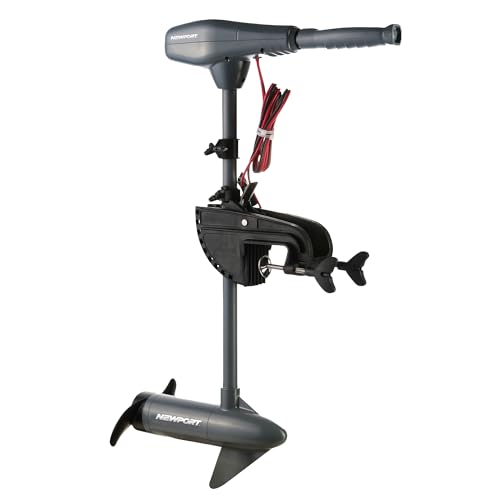
With 55 pounds of thrust and a 24-inch kayak shaft, this model targets saltwater use on smaller to mid-sized watercraft. It features eight speeds (five forward, three reverse) and a six-inch telescoping handle for easy maneuverability. Best for kayaks or compact boats that require strong propulsion without oversized gear. Reason selected: optimal balance of high thrust and kayak-friendly shaft length.
Caution: higher thrust can demand more battery power; plan for longer trips or larger batteries in saltwater setups.
Buying Guide: Key Purchase Considerations
What boat size and water condition will you fish in? Choose a higher thrust for larger or choppier waters, and lighter thrust for compact kayaks. Consider shaft length to ensure the motor stays submerged correctly without hitting hulls or trim.
Is the water freshwater or saltwater? Saltwater-rated motors resist corrosion with specialized hardware; freshwater models may suffice for ponds and lakes but require regular maintenance in brackish areas.
How important is ease of use? Look for telescoping tillers, battery meters, and quick-adjust bracket systems. These features reduce fatigue on long outings and improve precision while trolling.
What about battery life and efficiency? Motors with efficient propellers and smaller, lighter gear generally consume less power. If you troll for longer periods, consider models with better low-end torque and longer battery life indicators.
Installation and compatibility: verify shaft length, transom mounting, and boat transom thickness. Confirm propeller compatibility with vegetation and weed conditions to avoid clogging or loss of thrust.
Frequently Asked Questions
- What thrust do I need for a small freshwater boat? Typically 30–40 lb thrust is sufficient for small to mid-sized freshwater boats in calm to moderate conditions.
- Is a saltwater trolling motor necessary for coastal fishing? If you fish in brackish or saltwater, a saltwater-rated motor offers better longevity and resistance to corrosion.
- How long does a trolling motor last on a full day of fishing? Battery capacity and motor efficiency determine runtime; choose a motor with a clear battery indicator and plan for higher-capacity batteries on longer trips.
- Can I use any trolling motor on any boat? Not always. Check shaft length, mounting type (transom vs. bow), and boat transom thickness to ensure a proper fit and performance.
- What maintenance is needed for the prop and motor head? Inspect the prop pin, nut, and washer; clean debris from the prop; and test the battery meter to ensure accurate readings.
- Should I prioritize higher thrust or lighter weight? Prioritize thrust if your boat is heavier, winds are strong, or you fish in weed-choked areas. Opt for lighter models if your boat is small and you value portability.