Marine engine oil additives help protect metal surfaces, reduce friction, and extend oil life in demanding aquatic conditions. This guide highlights five top products suited for boats, jet skis, and other marine powerplants. It explains who each product is best for, how they work, and potential limitations. Use the table below to compare key points at a glance.
| Product | Best For | Key Benefit |
|---|---|---|
| Lucas Oil 10001 Heavy Duty Oil Stabilizer | New engines and heavy-duty use | Overall oil stabilization and protection |
| BestLine Racing Nano-Lubricant | High-performance and racing boats | Drastic friction reduction and heat resistance |
| Liqui Moly MoS2 Anti-Friction Engine Treatment | High-load marine engines | MoS2 film for smooth operation |
| Nano Oil Additive (Finland Copper Tech) | General marine engines seeking efficiency | Copper-based friction reduction |
| STA-BIL Marine Tune-Up Fuel Treatment | Carburetor/injector cleaning and water control | Fuel system cleanliness and water elimination |
Lucas Oil 10001 Heavy Duty Oil Stabilizer
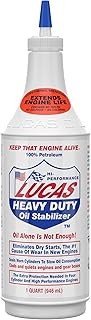
Best for new engines and heavy-duty marine use, this additive is marketed as the world’s #1 oil additive. It is formulated with 100% petroleum and is designed to stabilize oil and reduce stress on engine components. Use this when you want straightforward viscosity and film-strength benefits without altering base oil chemistry. Best for boats facing long idle periods or consistent high-load operation where oil stability matters.
Who it’s best for: boat owners seeking reliable, widely available protection for newer or lightly worn engines. Why selected: its universal compatibility with petroleum-based oils makes it a go-to option for general motor protection on the water. Caution: it does not replace a complete oil change schedule or address all fuel-system issues.
BestLine Racing Nano-Lubricant Engine Oil Additive

Best for high-performance and racing marine engines, this product emphasizes friction reduction—claimed around 60% versus conventional oils. It uses a diamond nano-coating to form an ultra-low friction film, potentially extending oil change intervals and reducing engine noise. Suitable for gasoline, diesel, and high-performance platforms across cars, trucks, boats, and motorcycles.
Who it’s best for: performance-oriented boat owners seeking maximum friction reduction and power restoration. Why selected: its high-temperature tolerance supports marine environments where engines heat up during extended runs. Caution: heavy-duty claims are marketing terms; verify compatibility with your specific engine and oil base before use.
Liqui Moly MoS2 Anti-Friction Engine Treatment
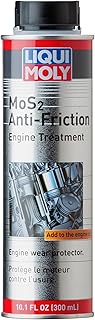
Best for high-load marine engines where a high-load bearing film matters, this MoS2-based additive creates a protective friction layer on all moving surfaces. It’s positioned as a universal fit for many engines, including high RPMs and heavy loads. Use this when you want a well-known MoS2 approach for smoother operation and quieter performance.
Who it’s best for: owners needing reliable anti-friction protection across a range of marine engines. Why selected: MoS2 film formation is a time-tested method for reducing metal-to-metal wear in high-load environments. Caution: MoS2 can interact with certain seal materials; follow manufacturer guidance for your engine model.
Nano Oil Additive With Copper Tech

Best for general marine engines seeking efficiency gains, this Finland-made product uses copper-based nano-tech aimed at reducing friction and improving oil performance. It suggests smoother operation and lower fuel use, with potential long-term savings due to reduced wear. It’s positioned as a broad-scope additive for multiple marine platforms.
Who it’s best for: engine owners prioritizing fuel efficiency and wear reduction. Why selected: copper-based nano tech is a distinctive approach that targets friction at the nanoscale. Caution: the effectiveness of nano-based additives can vary by engine type and operating conditions; confirm compatibility with your oil specification.
STA-BIL Marine Tune-Up Fuel Treatment

Best for fuel-system maintenance, this product focuses on cleaning carburetors and injectors and eliminating water in the fuel. It’s a good choice for boats with older or ethanol-laden fuels, or platforms prone to rough running due to fuel impurities. Use when you want to address intake cleanliness and water-related issues in fuel lines.
Who it’s best for: owners dealing with rough running or water-contaminated fuel. Why selected: cleaning performance and water elimination can improve ignition and throttle response. Caution: this is a fuel-treatment product, not a straight oil additive; use as directed for fuel system maintenance and not as a sole engine lubricant solution.
Buying Guide: Key Considerations For Marine Oil Additives
What should you consider before choosing a marine oil additive? Start with engine type, operating conditions, and oil type. Look for compatibility with your engine’s base oil and any seals or gaskets sensitive to certain additives. Consider whether you prioritize friction reduction, fuel efficiency, or fuel-system cleanliness. For boats in saltwater, corrosion resistance and film strength are important, while high-load applications may benefit from anti-wearing compounds like MoS2 or diamond nano-coatings.
- Compatibility: Ensure the additive works with your engine oil grade and viscosity. Some products are designed for petroleum-based oils, others for synthetic blends.
- Friction Reduction: If you operate at high RPMs or long runs, prioritize products that claim low-friction films or high heat tolerance.
- Oil Change Intervals: Some formulations claim longer intervals between changes—verify your oil schedule and maintenance plan.
- Fuel System Cleanup: For engines with carburetors or old injectors, fuel-system cleaners can prevent rough running caused by deposits and water.
- Temperature Range: Marine environments can involve wide temperature swings; check the additive’s stated heat resistance and performance range.
FAQs
- Do marine oil additives damage engines? Generally, reputable additives are designed to be engine-safe when used as directed. Always follow label instructions and consult your engine manufacturer guidelines.
- Can I use more than one additive at a time? It’s usually not recommended to mix multiple additives unless explicitly approved by the manufacturers, as chemical interactions can occur.
- Will additives improve fuel economy on boats? Some products claim efficiency benefits through friction reduction, but results vary by engine and operating conditions.
- Are MoS2-based additives suitable for all engines? MoS2 works well in many engines but may affect certain seals or gaskets; check compatibility with your specific model.
- When should I add an additive? In most cases, add at the time of an oil change or during routine maintenance, following product directions for the correct dosage.
- Do fuel-treatment additives replace oil additives? No. Fuel treatments target the fuel system; oil additives focus on lubrication and engine protection.