Answering your search for reliable zinc protection for boats, this guide highlights top sacrificial anodes that prevent electrolysis and corrosion in saltwater and brackish environments. These picks are ideal for boat owners, dock installers, and marine maintenance crews seeking durable, cost-effective corrosion protection. Each product section below explains who it’s best for and why it stands out.
Summary table of selected products:
| Product | Best For | Key Advantage | Notes |
|---|---|---|---|
| Holama Sacrificial Zinc Marine Anode | Boat lifts, docks, saltwater pools | Enhanced alloy, robust 20 ft stainless cable | Versatile attachment and strong corrosion prevention |
| MARTYR CMR03 Zinc Rudder & Trim Tab Disc Anode | Saltwater vessels with rudders/trim tabs | Purity and alloy quality for reliable protection | Low-cost cathodic protection |
| 4 Pcs Zinc Anode For Boat Lifts | Boat lifts, docks, pools | High-efficiency alloy set with cable and crimps | Includes multiple pieces for broad coverage |
| Martyr CMMZC406 Zinc Hull Plate Anode | Commercial hull protection | Large plate form for hull areas | Balanced cost and protection |
| Martyr CMDIVERA Aluminum Pleasurecraft Diver’s Dream Kit | Aluminum/brackish systems | Aluminum alloy, extended protection | Best when aluminum components dominate |
Holama Sacrificial Zinc Marine Anode For Boat Lift And Dock Protection
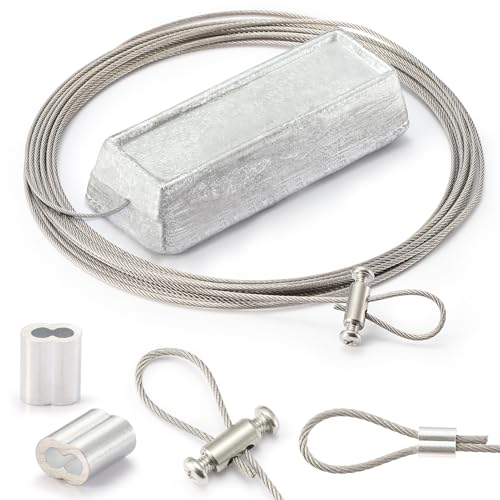
Best for multi-structure protection, this Holama zinc anode uses an enhanced alloy composition to deliver superior corrosion prevention in both saltwater and freshwater settings. It comes with a 20-foot stainless steel cable and three crimps for versatile attachment to boat lifts, docks, and similar marine hardware. The design targets electrolysis and extends the life of connected equipment. It’s a strong pick for boat owners who need a reliable, all-around sacrificial anode solution.
Who it’s best for: boat owners and dock installers needing a robust, long-hanging zinc anode with flexible attachment options. Why chosen: it combines a high-quality alloy with practical mounting hardware, delivering effective electrochemical protection.
Caution: verify compatibility with your specific attachment points to ensure secure fastening and proper cathodic protection along all exposed metal surfaces.
MARTYR Anodes, CMR03, Zinc Rudder & Trim Tab Disc Anode

This zinc disc anode is designed for saltwater use on rudders and trim tabs. Martyr Anodes emphasizes a high-purity zinc alloy free from impurities, helping maintain consistent protective performance. It provides a cost-effective cathodic protection option for ocean-going vessels, structures, and equipment made from diverse metals.
Who it’s best for: boaters needing targeted protection for rudder and trim-tab areas. Why chosen: reliable zinc alloy performance in critical running gear reduces the risk of localized corrosion.
Caution: disc shape fits specific mounting hardware; confirm that the size and fitment suit your rudder or trim tab hardware before purchase.
4 Pcs Zinc Anode For Boat Lifts
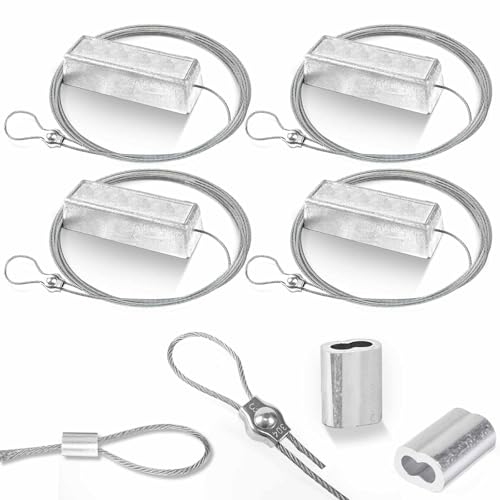
This kit includes four zinc anodes with a saltwater and pool-focused design. The high-efficiency modified zinc alloy provides long-term cathodic protection for ship lifts, seawater pools, and dock structures. It compensates for electrochemical corrosion by sacrificing itself to shield submerged metal parts such as ladder fasteners and underwater bolts.
Who it’s best for: facilities and boat owners needing comprehensive coverage across multiple submerged components. Why chosen: multiple pieces plus a robust alloy allow broad protection with straightforward installation.
Caution: ensure all connectors and cables are rated for marine exposure to prevent premature wear at connection points.
Martyr Anodes, CMMZC406, Zinc Hull Plate Anode

Large hull plate anodes like the Martyr CMMZC406 provide extensive protection for commercial hull areas. This zinc alloy option targets saltwater corrosion across a wide surface, helping maintain structural integrity of vessels and equipment in demanding marine environments.
Who it’s best for: vessel operators and commercial fleets needing broad hull coverage at a controlled cost. Why chosen: a plate form offers substantial sacrificial protection for large surface areas.
Caution: ensure you have proper mounting space on the hull and follow installation guidance to maximize protective coverage.
Buying Guide: Zinc Protection For Boats
What types of zinc anodes are available?
Common options include disc, bolt-on, hull plate, and lift-specific anodes. Disc and bolt-on shapes fit rudders, trim tabs, and small components. Hull plates cover larger areas, while lift and dock-specific designs address submerged infrastructure.
Which alloy should I choose?
Most marine zinc anodes use zinc alloys optimized for corrosion protection. Pure zinc offers strong protection but can corrode faster; higher-performance alloys extend service life in challenging saltwater conditions. For mixed or brackish water, consider aluminum-based alternatives only if your system includes aluminum components.
How do I install sacrificial anodes?
- Place the anode on a clean, bare metal surface free of paint and corrosion products.
- Secure with compatible hardware, ensuring good electrical contact.
- Maintain a regular inspection schedule to replace worn units before protection lags.
How long should zinc anodes last?
Service life varies with water salinity, current, and load. In high-salinity environments, expect shorter intervals between replacements; in fresher water, coverage may last longer. Always inspect for visible wear and electrolyte leakage patterns.
What are common limitations to watch for?
- Overly aggressive mounting in tight spaces can hinder effective cathodic protection.
- Mixing different metals without proper planning can cause galvanic corrosion elsewhere.
- Aluminum-based alternatives are not compatible with all marine configurations; verify metal compatibility first.
Choosing the right package for your setup
For large hulls or docked structures, a hull-plate approach offers broad protection, while lifts and smaller components benefit from multiple discs or bolts. For rudders or trim tabs, targeted disc anodes provide focused protection with straightforward replacement.
Frequently Asked Questions
- What is a sacrificial anode? A sacrificial anode is a metal that corrodes instead of other submerged metals, protecting boats and structures from electrolysis.
- Where should I place zinc anodes? On exposed, electrically connected metal parts such as hull surfaces, rudders, trim tabs, lift rails, and dock components.
- Can I use aluminum anodes in the same system? Aluminum alloys are suitable in some mixed-water environments but are not universally compatible with all metals; verify material compatibility first.
- How do I know when an anode needs replacement? Replace when the zinc has significantly thinned, shows heavy pitting, or has reached the recommended minimum thickness by the manufacturer.
- Is more anode always better? More anodes can improve protection, but improper placement or redundant coverage can waste materials and complicate maintenance.
- Do anodes require maintenance? Yes, inspect regularly, clean off marine growth, and ensure connections remain intact for optimal protection.