Yes—when boating, having reliable emergency signaling is essential for safety. This guide highlights top USCG-approved electronic and traditional flare options, focusing on usability, visibility, and durability. It helps boaters decide which kit fits best for different vessels and conditions. The picks below are ideal for sailors, anglers, day cruisers, and offshore travelers who want quick, legal, and effective distress signaling. A quick buyer’s table follows to compare core features at a glance.
| Product | Best For | Key Benefit | Notes |
|---|---|---|---|
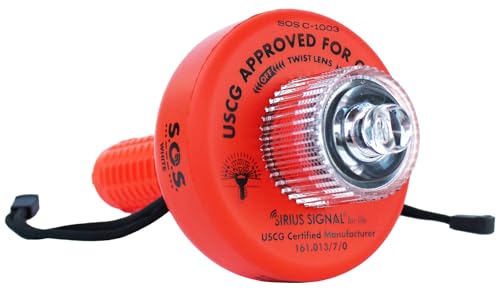
| Sirius Signal C-1003 SOS LED Distress Signal | Boats needing long-lasting, reusable electronic distress | Coast Guard approved and 60-hour SOS signal lifetime | Includes daytime flag & whistle |
| Orion Safety 584 ALERTER | Harsh marine environments, crews needing multiple signals | Red aerial flares up to 500 ft with 16,000 candela | Includes bandolier and lifetime warranty |
| ACR ResQFlare E-Flare Kit | Day and night signaling with digital reliability | USCG-approved replacement for pyrotechnics, IP67 waterproof | Includes distress flag |
| TEKTITE SOSeFLARE 5 | Boaters seeking durable, all-in-one electronic flare | 30+ hour battery life, Morse SOS, audible signal, flag | Waterproof, floats upright to 152 m |
| COASTAL ALERT LAUNCHER KIT | Small to mid-size boats needing ready-to-use blank flares | Includes 6 red 12-gauge aerial signals and whistles | USCG approved for day and night signaling |
Sirius Signal C-1003 SOS LED Distress Signal
The Sirius C-1003 provides a complete, Coast Guard-approved distress kit that satisfies night, day, and audible signaling requirements. It is best for boaters seeking a reusable electronic alternative to traditional pyrotechnic flares, with long-lasting operation and visible range. The package includes a daytime flag and whistle for day signaling.
- Best for: Family-safe, reusable signaling on boats of all sizes.
- Why selected: High visibility up to 10 nautical miles and up to 60 hours of SOS flashes—well beyond basic needs.
- Caution: Electronic devices can fail if batteries are drained; ensure regular checks and charging cycles.
Orion Safety 584 ALERTER

The Orion 584 ALERTER is designed for harsh marine conditions with a corrosion-resistant 12-gauge launcher and a bandolier for six signals. It’s ideal for crews who rely on high-altitude, bright red flares to alert nearby vessels, especially in rough seas. It includes a safety hammer lock and manual for storage and use.
- Best for: Boats needing multiple, high-visibility red aerial flares.
- Why selected: USCG-approved flares reach up to 500 feet with strong brightness for clear signaling.
- Caution: Traditional flares require careful storage and disposal; monitor for aging components and follow the manual.
ACR ResQFlare E-Flare Kit
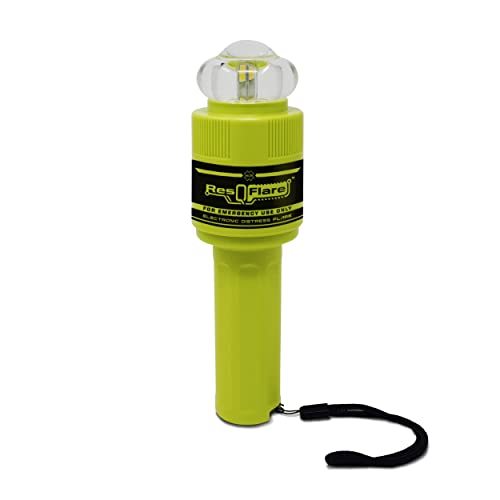
The ACR ResQFlare E-Flare Kit combines electronic signaling with a daytime flag, offering a practical replacement for pyrotechnic flares. It’s waterproof and provides 360° visibility, with a compact design ideal for limited storage aboard small to mid-sized boats.
- Best for: Safe, non-pyrotechnic signaling that complies with USCG rules.
- Why selected: Includes a distress flag and reliable night and day visibility.
- Caution: Replacement batteries are needed over time; plan for periodic checks.
TEKTITE SOSeFLARE 5
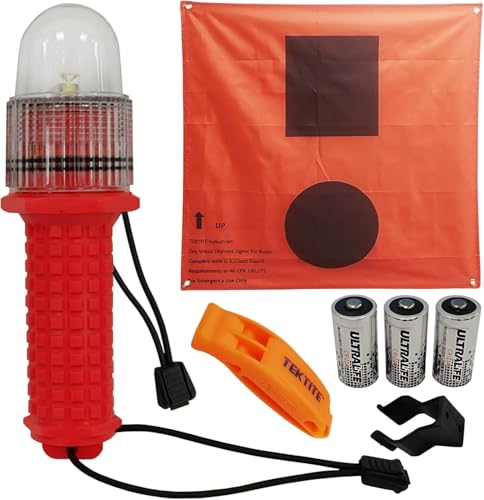
TEKTITE’s SOSeFLARE 5 is an all-in-one electronic distress signal kit with a compatibility focus on USCG and SOLAS standards. It flashes Morse code SOS, includes an audible whistle, and ships with a distress flag for comprehensive visibility both day and night. It is designed to be durable and easy to maintain.
- Best for: Boat operators who want a robust, legally compliant electronic flare with day/night signaling.
- Why selected: Long runtime (30+ hours) and self-righting water performance ensure reliability in emergencies.
- Caution: Heavier than some compact electronic options; ensure proper storage space aboard smaller craft.
COASTAL ALERT LAUNCHER KIT

The Coastal Alert Launcher Kit provides a practical, ready-to-use signaling solution with six red 12-gauge aerial signals and a whistle. It’s well-suited for boaters who prefer traditional pyrotechnic signaling and need a straightforward, rapid-deployment kit for day and night visibility.
- Best for: Boats requiring a simple, familiar flare kit for routine safety signaling.
- Why selected: USCG approved for day and night signaling; whistle enhances audible cues.
- Caution: Pyrotechnic flares have finite burn times and require proper disposal after use or expiry.
Buying Guide
Key considerations when choosing emergency flares for boats include regulatory compliance, signaling range, visibility in daylight, battery life or burn duration, and storage suitability. Electronic options offer reusable signaling and long-term cost benefits, while traditional pyrotechnic flares may provide very bright light instantly but require ongoing replacement and disposal. For most recreational boaters, combining an electronic distress kit with a few pyrotechnic backups can balance legality, readiness, and reliability.
- Regulatory requirements: Ensure the kit meets USCG or SOLAS standards where applicable and matches your boat size and typical voyage length.
- Visibility range and 360° coverage: Look for daytime flags, night signaling, and visual angles that maximize distance reach.
- Power and maintenance: Electronic kits require battery management; pyrotechnic flares require careful handling and disposal.
- Durability and storage: Waterproofing, buoyancy, and rugged build matter for rough seas and storage constraints on small boats.
- Ease of use: Consider kits with clear instructions, safety features, and minimal steps to deploy in an emergency.
FAQ
- What is the main difference between electronic and pyrotechnic flares?
Electronic flares are reusable and rely on batteries; pyrotechnic flares are single-use and require disposal after the burn. - Are electronic distress signals USCG approved?
Yes, several models in this guide are USCG approved, meaning they meet regulatory signaling requirements. - How long do electronic distress signals last?
Many deliver 20–60+ hours of operation, depending on battery life and usage patterns. - Should I carry both day and night signaling options?
Yes—combining a night-visible signal with a daytime flag or audible signal increases chances of being noticed in diverse conditions. - How should I store emergency flares on a boat?
Store in a dry, accessible location away from heat and direct sunlight; check batteries or expiry dates regularly. - What’s a quick way to verify readiness before a trip?
Inspect seals, test electronic units if manufacturer permits, replace batteries as needed, and confirm flags and whistles are present.