The best sealants for inflatable boats are designed to stop leaks, cure quickly, and remain flexible in water and sun. This guide highlights five top options that are well-suited for PVC inflatable boats, dinghies, and rafts, along with clear reasons who each product is best for. Use this to choose a repair sealer that matches your material and environment.
| Product | Best For | Notes |
|---|---|---|
| AquaPro Patch Kit (PVC) | PVC inflatables, hot tubs, pools | Durable, water-ready after curing |
| Inland Marine USA Liquid Rubber | Re-skinning inflatables and dinghies | Works with topside paint for a uniform finish |
| 3M Marine Grade Silicone Sealant | Above-waterline sealing on multiple materials | Flexible, easy to apply |
| GEAR AID Aquaseal FD | Waders, wetsuits, PVC inflatables | Flexible, outdoor-ready adhesive |
| FORTIVO 5200 Marine Sealant | Underwater and above-waterline sealing | Fast-curing, UV resistant |
AquaPro Patch Kit For PVC Inflatables
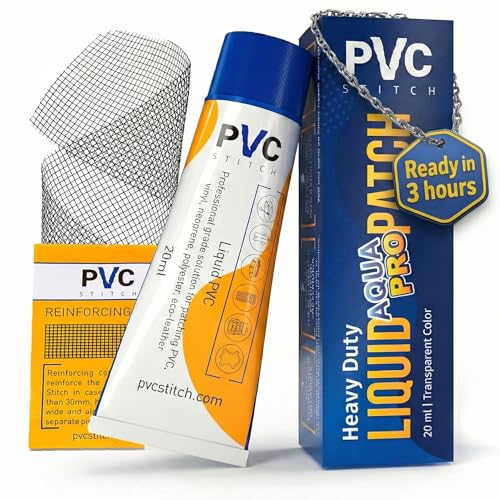
AquaPro is a durable, heavy-duty sealant designed for PVC inflatable gear, including rafts, PVC kayaks, and hot tub patches. It works with PVC materials and is intended for long-term repairs in water environments. The kit includes a patch and sealant to cover tears and punctures of various sizes. Best for owners who want a comprehensive, all-in-one repair solution for PVC inflatables, above-ground pools, and outdoor gear that spends time in water. A potential limitation is that curing times and surface preparation may vary by temperature and humidity; ensure the surface is clean and dry for best results.
Who it’s best for: PVC-based inflatable boat owners who need a quick, durable patch kit that can seal leaks from the outside and after deflation. Choose this when you want a self-contained patch-and-seal solution that lasts through repeated exposure to water and sun.
Inflatable Boat, Dinghy and Raft Sealant

Inland Marine USA offers a sealant designed to seal leaks from the inside, with long-lasting performance and the option to allow for future deflation. This makes it suitable for dinghies and rafts that require interior sealing for pressure-retention. It is best for boat owners who need an interior sealant that can be applied before a leak becomes visible and who value long-lasting adhesion in a variety of water conditions.
Who it’s best for: Inflatable boat owners who want interior, long-lasting repair capability and the option to re-inflate after sealing. Use this when you expect to need a repeatable, interior sealant option for ongoing leaks.
Inland Marine USA Liquid Rubber For Re-Skinning

Liquid Rubber from Inland Marine USA is intended for re-skinning inflatable boats and dinghies. It’s compatible with topside paint, offering flexibility and color-matching options (available in white, black, and gray). This option is best for owners looking to patch or re-skin damaged areas while maintaining a smooth, paintable surface. A limitation is that it’s most effective when used with compatible paints, requiring proper surface preparation for best adhesion.
Who it’s best for: Those planning a larger repair or re-skin project and who want a material compatible with topside paint for a cohesive look. Choose this when you need a repair that blends with the boat’s exterior finish.
Bellisinno Black Marine Sealant
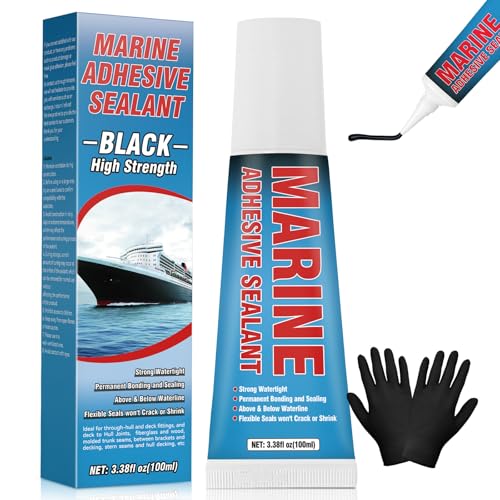
This black marine sealant provides permanent bonding and sealing for hulls, decks, and fittings. It’s UV protected and designed for below-waterline applications, offering a durable, watertight seal in harsh marine conditions. The product is easy to apply from a squeeze tube and cures in about 24 hours. Best for sailors and boat owners who need a low-profile sealant that remains flexible under submersion and exposure to sunlight. A caution is to verify compatibility with the specific substrate before full-scale use.
3M Marine Grade Silicone Sealant
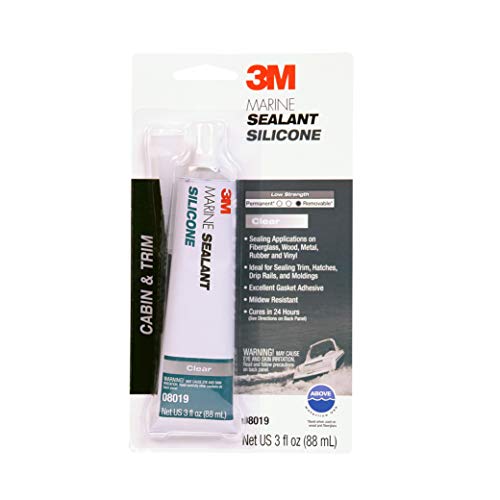
3M Marine Grade Silicone Sealant is engineered for marine use and remains flexible above the waterline. It works well on bare or painted metal, glass, fiberglass, and many plastics. It’s easy to apply directly from the tube and cures relatively quickly (as fast as 24 hours). Best for above-waterline sealing on multiple substrates, including areas with exposure to sunlight and temperature changes. A consideration is that it may not be ideal for below-waterline immersion where a fully waterproof seal is required in the long term.
GEAR AID Aquaseal FD

Aquaseal FD from GEAR AID is a flexible, durable repair adhesive designed for waders, wetsuits, PVC inflatables, and other outdoor gear. It cures in 8-12 hours to a flexible urethane rubber, creating a water-tight seal on neoprene, nylon, canvas, leather, and more. Best for quick, flexible repairs on PVC inflatables and other gear that bends or flexes in the water. A limitation is that extensive repairs may require multiple applications or larger patches for long-term durability.
TotalBoat Aluminum Boat Leak Sealer

TotalBoat’s Aluminum Boat Leak Sealer is a two-part epoxy sealer designed for aluminum boats, including sealing rivets and seams. It offers a long working time and absorbs stresses from contraction and vibration. Best for aluminum hulls or areas with riveted joints. For inflatable boats, its use is limited to accent areas or where aluminum components interface with the inflatable sections. A caution is to follow temperature requirements for optimal curing and bond strength.
Buying Guide
- Material compatibility: PVC inflatables vs. rubber and fabric components require different sealants. PVC-specific products offer better adhesion on PVC, while silicone and urethane adhesives perform well on multiple materials.
- Cure time: Quick cures (6–24 hours) reduce downtime, but some products require longer under cooler temperatures. Plan project timing around your climate.
- Water exposure: Below-waterline vs. above-waterline sealing has different requirements. Choose a sealant with UV resistance and water durability for outdoor use.
- Flexibility: Flexible sealants accommodate movement and pressure changes in inflatable boats, preventing cracking or peeling.
- Application method: Squeeze tubes are convenient; patches and cords may enhance large-area repairs. Surface prep is crucial for strong adhesion.
- Surface readiness: Clean, dry, and abraded surfaces typically yield the best bond. Follow manufacturer instructions for curing and re-coating windows.
FAQ
- Can I use a general silicone sealant on an inflatable boat? Yes, but ensure it’s rated for marine use and compatible with the boat’s material. For below-waterline, use a product designed for underwater sealing.
- How long does curing take? Cure times vary; some sealants cure in 24 hours, others set within hours but may require longer to reach full strength.
- Is interior sealing better than exterior? Interior sealing can prevent leaks from the inside, but exterior patches may be needed for punctures and tears on the outer surface.
- Do I need to deflate the boat for repair? It depends on the product and location of the leak. Some patches work best with the boat deflated; others require partial deflation for access.
- Are there products that seal multiple materials? Yes, some sealants are designed for PVC, rubber, fabric, and metal components, offering versatile application.
- What should I prep before applying? Clean the surface, remove oils, dry completely, and lightly abrade to improve adhesion.