Direct answer: these marine-friendly jump starters deliver quick starts, robust safety features, and portable power banks for on-the-water adventures. They’re best for boaters who need engine starts, USB charging on the go, and reliable performance in varied temperatures. The top picks include compact models for small boats and high-capacity units for larger craft or frequent use. Below you’ll find five standout options, with a quick buyer table to help compare key specs at a glance.
Summary table of chosen products:
| Product | Best For | Peak Power | Key Benefit |
|---|---|---|---|
| NOCO Boost GB40 | Small boats, 6.0L gas / 3.0L diesel | 1000 A | UltraSafe, compact, USB power bank |
| NOCO Boost GB70 | Mid-size boats, 8.0L gas / 6.0L diesel | 2000 A | Higher power, more starts per charge |
| S ZEVZO ET03 | Versatile vessels, many starts per charge | 4000 A | High output, large 74Wh bank, USB ports |
| OXILAM Jump Starter | Heavy-duty boats, up to 12L diesel | 6000 A | All-in-one kit, USB-C, multiple protections |
| NOCO Boost GB50 | Medium to large boats, 7.0L gas / 4.5L diesel | 1500 A | Fast recharge, strong for frequent use |
NOCO Boost GB40: 1000A UltraSafe Jump Starter
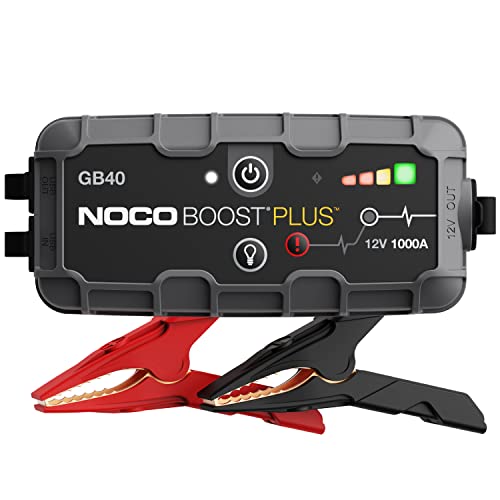
- Peak 1000 amps for engines up to 6.0L gas and 3.0L diesel.
- ULTRASAFE technology with spark-proof and reverse polarity protection.
- Integrated power bank for USB charging; recharges in roughly 3 hours.
Best for: small boats, personal watercraft, and backup power on inland waterways. It’s ideal for sailors who need a compact unit that starts reliably and also charges a phone or tablet in an emergency. Limitation: lower peak power may be insufficient for larger diesel engines.
NOCO Boost GB70: 2000A UltraSafe Jump Starter

- Up to 2000 amps; up to 40 starts per charge for engines up to 8.0L gas and 6.0L diesel.
- ULTRASAFE with spark-proof and reverse polarity protection; improved thermal efficiency.
- Portable power bank; charges in about 6 hours.
Best for: mid-size boats or vessels with higher electrical demand. Choose this if you routinely jump-start larger engines and value higher starts-per-charge. Caution: larger unit may be less convenient to stow on compact vessels.
S ZEVZO ET03 Car Jump Starter

- Impressive 4000 amps peak for engines up to 8.0L gas and 7.0L diesel; supports up to 50 starts per charge.
- Integrated 74Wh power bank; two USB ports for simultaneous charging.
- Force start function and LCD display; LED light for visibility at night.
Best for: boats with larger engines or frequent jump-start needs; also works for other vehicles onshore. Limitation: higher power unit requires careful handling and proper storage.
OXILAM Jump Starter 6000A

- Peak current 6000A; up to 60 jump starts on a full charge; supports 12V gas and 12L diesel engines.
- 10 intelligent safety protections; thermal management to prevent overheating.
- All-in-one kit: jump starter, USB power bank, LED flashlight, and Type-C port.
Best for: larger vessels or remote moorings where heavy-duty starts and multiple USB charging options are valuable. Caution: bulkier unit may require more storage space on board.
NOCO Boost GB50: 1500A UltraSafe Jump Starter
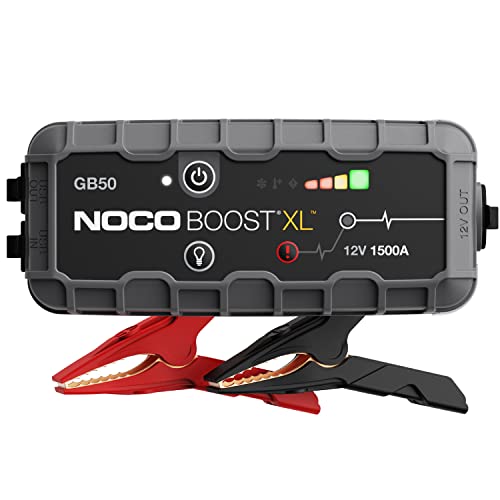
- Peak 1500 amps; suitable for engines up to 7.0L gas and 4.5L diesel.
- ULTRASAFE technology with spark-proof and reverse polarity protection.
- Includes a powerful USB charging bank and 5-hour recharge time.
Best for: boaters needing a balanced option with strong performance and compact storage. Limitation: not the highest power in this lineup, but still capable for sizable marine engines.
Buying Guide
What should you consider when selecting a marine jump starter?
- Engine size compatibility: Match peak amps to your outboard or stern drive’s displacement. Larger diesel engines demand higher amp units.
- Safety features: Look for spark-proof connection, reverse polarity protection, and robust thermal management to protect both battery and electronics.
- Portability vs. power: Small boats benefit from compact models, while larger boats may justify bulkier, higher-output units.
- Emergency power bank: A built-in USB array allows charging phones, radios, or GPS devices during a trip.
- Recharge time and efficiency: USB-C PD charging speeds matter if you need a quick turnaround between starts.
- Durability features: Water resistance, rugged housings, and secure clamps are important for marine salt air and vibration.
How to compare effectively:
- Best for reliability: Prioritize models with high peak amps and multiple safety protections.
- Best for frequent use: Favor units with longer charge cycles, higher start counts per charge, and faster recharging.
- Best all-in-one: Choose products that combine jump start capability with a strong power bank and LED lighting for on-board utility.
Frequently Asked Questions
- What is a jump starter’s peak amps and why does it matter?
Peak amps indicate the maximum current the unit can deliver to start an engine. More amps mean it can start larger engines or diesel-powered boats.
- Can these jump starters be used on boats with lithium batteries?
Yes, most are designed for standard 12V lead-acid or AGM systems. Check your boat’s battery type and clamp compatibility before use.
- Do jump starters double as power banks?
Many models include USB ports or USB-C for charging devices. They function as portable power banks when needed.
- What maintenance is needed for marine use?
Keep clamps clean, store in a dry location, and ensure the unit is recharged after use to maintain readiness.
- Are there safety precautions for using jump starters at sea?
Always follow manufacturer instructions, verify polarity before connection, and avoid bright sunlight or saltwater exposure that may affect electronics.
- Which jump starter is best for a diesel engine on a larger boat?
Models with 4000A or higher peak amps are generally better suited for diesel engines, especially in cold conditions.