If you’re selecting marine aluminum fuel tank fittings, you want components that resist corrosion, fit common hose sizes, and install without hassle. This guide highlights five top options suited for different boat engines and fuel systems. It helps you choose based on thread size, material, and installation style. Ideal buyers include DIY boat owners, professional installers, and those upgrading aging fittings. The following quick table summarizes the highlighted products and their key strengths for fast comparison.
| Product | Brand | Best For | Notes |
|---|---|---|---|
| 7-0948 Fuel Withdrawal Depth Standard Universal Boat Gas Tank Tube | DEF | Standard fuel tanks, adjustable length | Polyethylene, 3/8″ external, 1/4″ internal threads |
| Attwood 88FAS014-6 Fuel Tank Fitting | Attwood | Reliable OEM replacement | Aluminum, anti-siphon, ¼” NPT x 3/8″ barb |
| 12″ Marine Fuel Tank Pickup Tube with Strainer | Earlyred | Universal pick-up with strainer | HDPE, 12″ length, compatible with E10/E85 |
| Attwood Brass Quick-Connect Tank Fitting 1/4 Inch | Attwood | Quick-connect installations | Brass, 1/4″ NPT male |
| Attwood 14531-6 Marine Fuel Tank and Hose Fittings | Attwood | Versatile marine fuel system | Die-cast zinc, 1/4″ NPT, hose compatibility |
7-0948 Fuel Withdrawal Depth Standard Boat Tube

The DEF 7-0948 tube is a polyethylene fuel line designed for marine use. It supports today’s gas blends, including E10 and E85, and uses a 3/8″ external thread with a 1/4″ internal thread, connected via a 90-degree aluminum joint. Best for applications requiring a flexible, corrosion-resistant pull-through with a simple joint. Consider this when you need a compatible, adjustable-length tube for standard tanks. Caution: verify thread compatibility with your specific tank fittings before installation.
Attwood 88FAS014-6 Fuel Tank Fitting
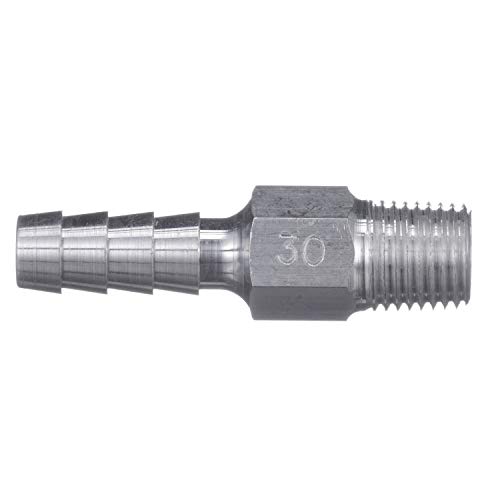
This Attwood unit is an aluminum fuel tank fitting with a male ¼” NPT thread and a 3/8″ barb, offering a dependable replacement for OEM parts. It provides a secure fuel line connection and is suitable for boats that rely on classic aluminum fittings. Best for replacing aging hardware in standard tanks. Limitation: ensure the barb size matches your hose ID to avoid leaks or restricted flow.
12″ Marine Fuel Tank Pickup Tube with Strainer

The Earlyred pickup tube offers a universal fit with a 12-inch depth and a 3/8″ external / 1/4″ internal thread setup. It’s designed to resist corrosion and is compatible with E10 and E85 fuels, making it a solid choice for standard universal tanks. Best for reach and versatility in longer pickup configurations. Caution: verify tank depth and strainer clearance to avoid dry running.
Attwood Brass Quick-Connect Tank Fitting 1/4 Inch

This piece uses solid machined brass for corrosion resistance and long life. It features a 1/4″ NPT male thread designed for fast, secure installation with compatible tanks. Best for Johnson/Evinrude/OMC systems seeking durable, quick-connect capabilities. Limitation: brass requires care around high-sulfide fuels to minimize patina over time.
Attwood 8889LP6 Acetal 3/8-Inch Barb Fuel Hose Fitting

Designed to pair with Attwood 8883-6 pickups, this acetal 3/8″ barb fitting offers a simple hose connection for Johnson/Evinrude/OMC engines. Best for easy, corrosion-resistant hose-to-tank connections. Choose this if your system uses an Attwood hose with a 3/8″ ID. Limitation: requires separate hose clamps for a secure seal.
Tanbupu Universal Marine Fuel Tank Pickup Tube

The Tanbupu pickup tube uses high-density polyethylene for longevity and stability in marine environments. It offers 3/8″ external and 1/4″ internal threads along a 90-degree aluminum joint, plus a brass barb with 1/8″ NPT and 1/4″ ID outlet. Best for varied fuel line setups needing flexible compatibility. Caution: verify outlet and thread compatibility with your specific tank fittings.
DEWHEL Universal 6AN Bung Kit

This DEWHEL bung kit is aluminum, supporting 9/16″-18 to 6AN fittings with no welding required. An O-ring helps prevent leaks, and installation only needs a 1/2″ hole. Best for adding a secure bung in a tank without complex fabrication. Limitation: ensure tank wall thickness meets the 1/4″ maximum compatibility mentioned in the data.
Attwood 14531-6 Fuel Tank and Hose Fittings

Attwood 14531-6 uses durable die-cast zinc and supports a versatile range of fuels, including ethanol blends. It features standard ¼” NPT thread and barbed fittings for 3/8″ I.D. hose. Best for heavy-use systems requiring robust material and broad fuel compatibility. Limitation: zinc may require attention near highly acidic fuel blends to prevent corrosion.
Buying Guide
- Material and corrosion resistance: Aluminum and brass are common, with plastic and acetal fittings offering lighter options. For harsh marine environments, prioritize corrosion-resistant metals and seal integrity.
- Thread sizes and hose compatibility: Common combinations include ¼” NPT, 3/8″ NPT, and barb fittings for 3/8″ I.D. hoses. Verify both external and internal thread sizes as well as hose ID to ensure a leak-free connection.
- Fuel type compatibility: Ensure the fitting supports today’s gasoline blends, including E10 and E85 where applicable. Some hoses and pickups are rated for ethanol-containing fuels; confirm for your fuel system.
- Installation considerations: Quick-connects and bung kits reduce fabrication time. If welding is not desired, choose bung kits or clamp-style fittings. Check for the need of gaskets or O-rings for leak prevention.
- System compatibility and scope: Match fittings to your tank type, engine model, and fuel line dimensions. For OEM replacements, seek components listed as compatible with your engine brand (e.g., Johnson/Evinrude/OMC).
FAQ
- What thread sizes are common for marine fuel fittings? Common sizes include ¼” NPT and 3/8″ NPT, with some units using barb connections for hoses around 3/8″ ID.
- Are aluminum fittings safe for ethanol fuels? Yes, many marine aluminum fittings are designed for modern gas blends, but always confirm compatibility with your specific fuel type and tank materials.
- Do I need to replace hoses when upgrading fittings? Replacing hoses ensures optimal seal and flow; check hose ID compatibility with the new barb or NPT connections.
- Can I install fittings without specialized tools? Many fittings are designed for simple hand or basic tool installation; bung kits often require only a drill and wrench.
- What signs indicate a failed fuel fitting? Look for leaks, dampness around connections, or fuel odors. Replace any suspect fittings promptly to prevent fuel loss or fire hazards.
- Is a quick-connect always best? Quick-connects save time but may be less universal than standard NPT fittings. Choose based on installation frequency and fuel system design.