Answering the common question: which jet ski spark plugs deliver reliable starts and steady ignition under typical marine conditions? This guide highlights top options for SeaDoo, Yamaha, and other PWC models, with practical guidance on compatibility, longevity, and performance. Choose these if you want OEM-style reliability, easier maintenance, and consistent cold-starting or acceleration. The buyer’s quick reference table below helps compare key details at a glance.
| Product | Brand | Best For | Why It Stands Out |
|---|---|---|---|
| NGK 4339 DCPR8E | NGK | Sea-Doo 4-TEC boats and PWCs | OEM-referenced design; trusted longevity and performance |
| Hipa Pack of 4 DCPR8E | Hipa | Jet Skis needing quick replacements | Pack of 4, compatible with NGK 4339 specs |
| NGK DPR7EA-9 | NGK | General marine and PWC engines | Advanced electrode design for reliable starts |
| NGK LFR6A 6668 (Pack of 4) | NGK | Watercraft with 26.5mm hex | V-Power design for faster ignition and reduced quenching |
| NGK LFR7A- Set of 4 | NGK | Yamaha PWC models | Yamaha-specific fit with proven durability |
NGK 4339 DCPR8E Compatible With SeaDoo 4-Tec Spark Plug Set

Best for Sea-Doo 4-TEC PWCs and Wake models that require a direct replacement for the 4339 variant. The NGK plug is widely used as OEM-equivalent, delivering a balanced mix of performance and longevity. It is typically chosen for reliable cold starts and consistent combustion under normal operation.
Who it’s best for: Sea-Doo and other 4-Tec owners seeking OEM-like reliability and straightforward installation. Why selected: established OEM alignment and broad compatibility across many Sea-Doo models.
Caution: Ensure the correct thread size and heat range for your exact model to avoid misfit or improper gap adjustment.
Hipa Pack of 4 DCPR8E Spark Plugs for SeaDoo Jet Skis
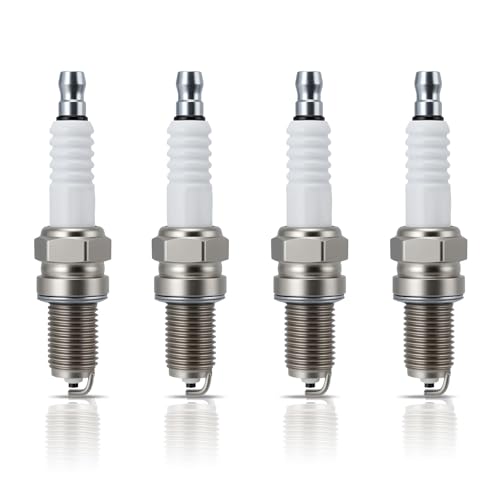
Best for owners who want a cost-friendly, ready-to-go replacement pack of 4. These plugs are designed to align with the DCPR8E spec, providing consistent ignition and dependable longevity for season-long use on SeaDoo PWCs.
Who it’s best for: budget-conscious buyers who still prioritize OEM-style performance. Why selected: convenient multi-pack for routine maintenance without hunting for single replacements.
Caution: Quality and fit can vary slightly between non-OEM brands; verify compatibility with your exact Sea-Doo model and engine family.
NGK DPR7EA-9 Spark Plugs
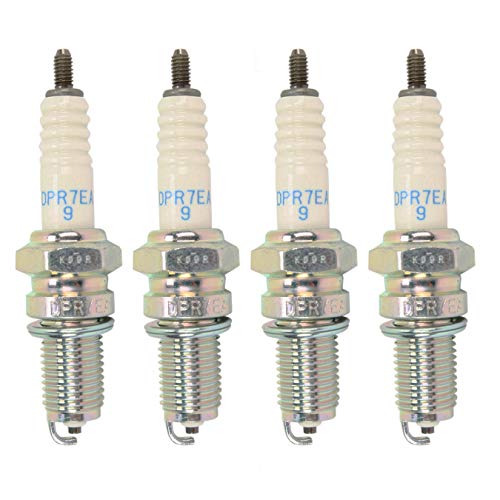
Best for general marine and PWC engines requiring a reliable, start-friendly ignition. DPR7EA-9 embodies trusted NGK design principles with an electrode configuration that supports stable combustion and consistent starts under typical operating conditions.
Who it’s best for: PWC owners seeking a universally compatible plug with a solid track record. Why selected: broad application coverage and dependable ignition performance.
Caution: If your engine specifies a different heat range, consult the service manual to avoid mis-match that could affect performance.
NGK LFR6A 6668 Pack of 4 for Watercraft

Best for watercraft with a 26.5mm hex size and a 0.9mm gap in the resistor-enabled variant. LFR6A 6668 features NGK’s V-Power concept, which directs the spark toward the electrode edge for faster ignition and reduced quenching. This helps with quick throttle response and smoother idle in various conditions.
Who it’s best for: riders who want improved ignitability and quicker combustion in competitive or fast-acceleration scenarios. Why selected: V-Power design specifically targets ignition efficiency in marine engines.
Caution: Check the gap specification on the box; improper gaps can affect ignition quality or longevity.
NGK LFR7A- Set of 4 for Yamaha PWCs

Best for Yamaha PWC models seeking a compressed, reliable ignition plug with Yamaha-specific fit. The LFR7A set provides a compatible option for several Yamaha FX and GP models, aligned with their engine requirements and heat range expectations.
Who it’s best for: Yamaha wave runners requiring a proven, model-specific plug. Why selected: direct compatibility with popular Yamaha marine engines and known reliability in PWC use.
Caution: Not always cross-compatible with non-Yamaha engines; verify your model code and spark plug specification before replacing.
Buying Guide
What to look for when choosing jet ski spark plugs
- Engine compatibility: Confirm the exact model, engine family, and required heat range. Marine engines differ from automotive ones, especially in heat management and spark duration.
- Heat range and electrode design: OEM-style copper cores provide reliability; platinum or iridium variants can improve longevity, but check compatibility with your ECU or ignition system.
- Gap specification: Proper spark gap ensures reliable ignition and fuel efficiency. Do not guess; measure or consult the service manual.
- Resistor vs. non-resistor: Resistor plugs help minimize radio frequency interference but ensure it matches your ignition system’s design.
- Maintenance interval: Marine environments cause fouling; consider plugs designed for resistance to carbon buildup and fouling under salt or fresh water use.
How to install and maintain jet ski spark plugs
- Allow the engine to cool before removing plugs to avoid warping or injury.
- Use the correct torque specification; over-tightening can damage threads.
- Inspect the boot seals for moisture intrusion when replacing plugs in wet environments.
- Replace all plugs in a set to maintain balanced ignition across cylinders.
Comparison snapshot
- Best for Sea-Doo 4-TEC: NGK 4339 DCPR8E (OEM-aligned, reliable).
- Best value pack: Hipa 4-pack DCPR8E (cost-effective for multi-plug replacements).
- Best for Yamaha PWC: NGK LFR7A- (model-specific fit).
- Better for quick starts: NGK DPR7EA-9 (general marine use with robust design).
Frequently Asked Questions
- What spark plug is best for Sea-Doo jet skis? Answer: Spark plugs that match the Sea-Doo engine’s original equipment specifications, such as 4339 DCPR8E variants, are commonly recommended for reliable starts and consistent performance.
- Do I need platinum or iridium for a jet ski? Answer: For many marine engines, copper-core plugs offer solid reliability at a lower cost, while platinum/iridium plugs may extend life in high-load or long-idle conditions; verify with your engine manual.
- Can I mix brands of spark plugs in a multi-cylinder jet ski? Answer: It is best to use the same model and heat range across all cylinders to maintain even ignition and performance; mixing may cause uneven firing.
- How often should jet ski spark plugs be replaced? Answer: Replacement intervals vary by usage and water conditions; consult the service manual, but prepare for seasonal maintenance in saltwater environments.
- Are OEM spark plugs necessary? Answer: OEM-equivalent plugs provide reliable performance and compatibility with factory ignition systems; non-OEM plugs can be suitable if they meet the exact specifications.
- What sign indicates a failing spark plug on a jet ski? Answer: Hard starting, misfiring, rough idle, or reduced acceleration are common indicators requiring inspection and possible replacement.