Outdoor marine environments demand durable plates that seal, lock, and dampen while withstanding saltwater, spray, and sun. This guide highlights five top deck and damper-style plates that balance toughness, ease of use, and value for American boaters and maintenance crews. The selections cover screw-down deck plates, quick-release hatch plates, dampers, and related mounting plates—ideal for anglers, recreational boaters, and commercial operators seeking dependable access points and vibration control.
Summary table of chosen products
| Product | Best For | Key Benefit | Limitations |
|---|---|---|---|
| T-H Marine DSSDP-2-2-DP Designer Series Screw Down Deck Plates | Boat owners needing secure, durable 8″ deck plates | Non-corrosive poly, secure flanged fit, textured top | May be bulkier for tight decks |
| T-H Marine Boat Hatch Deck Access Plate | Rugged hatch access requiring weatherproof seal | Cam-out quick release, watertight lid | Higher profile than basic plates |
| UIAHNE Damper for Marine Engine | Engine vibration damping and stability | Designed for marine vibration absorption | Compatibility varies by model |
| SDP-1-DP Screw Down Deck Plates, 5-5/8″ | Economical deck access for smaller hatch areas | Strong poly, matte finish | Smaller opening than 8″ plates |
| 4,000 lb. Standard Gear Plate Assembly | Heavy-duty mounting and gear access | High straight-line capacity | Engineering fitment varies by boat |
T-H Marine Designer Series Screw Down Deck Plates, 8″ – White

Best for: Boat owners who want a durable, corrosion-resistant deck plate with a secure flange and clean top. The DSSDP-2-2-DP uses non-corrosive poly material and a flange that locks into the hull hole, providing a tight, water-resistant seal. This makes it suitable for decks that encounter spray, rain, or wash-downs. The textured top offers grip while the tapered edges help prevent snags during docking or maintenance.
Why selected: This model prioritizes long-term durability and deck security, which is essential for frequent access panels on larger vessels. The 8″ opening accommodates standard fixtures and allows easy access for maintenance, instrumentation, or docking gear.
Best use tips: Install with marine-grade sealant and ensure the flange is flush against the deck to maintain a watertight seal. Avoid use in extremely tight deck recesses where a thinner plate would fit more cleanly.
Caution: Check deck thickness compatibility; excessive frame thickness can reduce the seal’s effectiveness if not properly seated.
T-H Marine Boat Hatch Deck Access Plate

Best for: Boaters needing a quick-release hatch with reliable watertight performance for valuables, electronics, or engine compartment access. The cam-out quick release mechanism provides fast access, while the O-ring seal ensures a watertight fit to protect gear from moisture and salt intrusion.
Why selected: The combination of a textured lid and cam-lock design makes this plate ideal for frequent access situations where speed and security matter. It helps keep gear safe during rough conditions.
Best use tips: Ensure all fasteners and seals are compatible with your deck material and climate. Regularly inspect the cam mechanism and O-ring for wear and replacement when needed.
Caution: The lid’s height can add clearance requirements in tight bilge or hatch areas, so verify fit before purchase if space is constrained.
T-H Marine 65012 CMC Manual Jack Plates

Best for: Operators needing universal-fit jack plates with adjustable height to optimize motor trim and hull clearance. The 6061 T6 aluminum construction provides a robust base for engine mounting and transom stability.
Why selected: Jack plates contribute to hull efficiency by allowing precise engine position adjustments, which can reduce cavitation and improve planing performance on varied loads. This is a practical option for boats that frequently alter weight distribution or run different prop configurations.
Best use tips: Confirm compatibility with your engine type and mounting pattern. Use appropriate hardware and torque specs per installation guidelines to avoid loosening under vibration.
Caution: Aluminum models require regular inspection for corrosion protection in saltwater environments and may require protective coatings over time.
T-H Marine SDP-1-DP Screw Down Deck Plates, 5-5/8″ – Black

Best for: Budget-conscious boaters needing a dependable, aesthetically pleasing deck plate for smaller access points. The SDP-1-DP uses a strong poly construction with a matte finish that resists wear and hides fingerprints.
Why selected: This plate provides a cost-effective alternative to screw-out styles while maintaining a secure seal. It’s a straightforward solution for routine deck access without added bulk.
Best use tips: Consider deck thickness and hole compatibility before ordering. A proper seal is vital for preventing water intrusion, so ensure the plate sits flush and the screws are tightened evenly.
Caution: The 5-5/8″ size may be limiting for larger equipment access; verify that you have enough clearance for your intended use.
4,000 lb. Standard Gear Plate Assembly
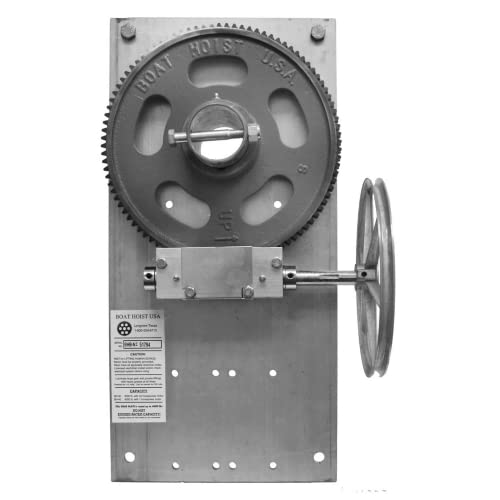
Best for: Boats requiring heavy-duty mounting plates with high straight-line capacity. This plate assembly is designed for gear mounting in demanding environments where stability matters.
Why selected: Heavy-load capability makes it a solid option for larger vessels or equipment that undergoes significant mechanical stress. It provides a reliable platform to mount gear without flex under load.
Best use tips: Confirm compatible mounting hole patterns and hardware specifications with your engine or gear system. Proper alignment is essential for even load distribution.
Caution: The piece’s weight and size mean professional installation may be recommended to ensure hull integrity and proper mounting.»
Buying Guide: Key Considerations For Marine Damper Drive Plates And Deck Access
- Material and finish: Look for corrosion-resistant polymers or anodized aluminum to withstand saltwater and UV exposure. A textured top helps grip, while a smooth edge reduces snag hazards.
- Seal and water intrusion: Water-tight or water-resistant seals, such as O-rings, prevent moisture from reaching gear compartments and electronics.
- Deck compatibility: Verify deck thickness, hole size, and mounting patterns. Flange and screw-down designs require precise alignment for a watertight fit.
- Ease of access: Quick-release mechanisms enable rapid access to compartments, which is crucial for routine maintenance or emergency access.
- Load and application: Jack plates, gear plates, and damper components vary in load rating and purpose. Choose based on engine type, mounting area, and vibration concerns.
- Aesthetics and finish: Matte black or white finishes can either blend with deck aesthetics or stand out for visibility. Consider maintenance needs in your environment.
- Installation and maintenance: Regular inspection of seals, cam locks, and fasteners extends lifespan. Use marine-grade sealants and corrosion protection as recommended by manufacturers.
Frequently Asked Questions
- What is the primary purpose of a marine damper drive plate?
– To seal access points, dampen vibrations, and provide a secure mounting surface for deck hardware and gear. - Which material is best for marine deck plates?
– Non-corrosive poly or aluminum alloys that resist saltwater, UV exposure, and physical wear. - Do I need a watertight deck plate for electronics access?
– Yes, especially in exposed areas; use plates with O-ring seals or gasketed covers to protect gear from moisture. - How do I choose the right size deck plate?
– Match the opening size to the equipment or storage space you need access to, and ensure there is clearance for installation. - Are quick-release hatch plates reliable in heavy seas?
– They provide faster access, but verify cam-lock reliability and sealing for the conditions you expect to encounter. - Can I install deck plates myself, or should I hire a pro?
– Many can be installed by DIY with proper tools, but for high-load or critical marine systems, professional installation is recommended.