When you’re out on the water, reliable signaling gear is essential for safety. This guide highlights the best flare guns for boats and electronic distress alternatives that meet common maritime needs. It’s best for boaters who want quick, visible signals in daylight or at night, maritime emergencies, and crews seeking USCG-compliant options. The top picks favor durability, weather resistance, and clear visibility to alert responders quickly.
| Product | Best For |
|---|---|
| Orion Safety 584 ALERTER Basic 12 GA 4-Flares | Coastal and offshore signaling |
| COASTAL ALERT LAUNCHER KIT | Day and night USCG signaling |
| Sirius Signal C-1003 SOS LED Distress Signal | Electronic distress with long LED life |
| ACR ResQFlare E-Flare Kit | USCG visual/night signals, compact |
| Orion 584 12 Gauge Alerter Basic-4 | Lakes, coasts, quick power signaling |
Orion Safety 584 ALERTER Basic 12 GA 4-Flares

Best for: Small to medium boats needing a reliable, USCG-acceptable pyrotechnic signaling option. This launcher is designed to withstand marine conditions with a corrosion-resistant body and a hammer safety lock. It includes a 4-signal bandolier and comes with a safety manual for proper storage and inspection.
Why chosen: The kit provides immediate, high-intensity aerial signals up to 500 feet, with 16,000 candela brightness and a 7-second burn. It’s a straightforward, rugged choice for crews prioritizing fast, visible distress signaling in both daytime and nighttime scenarios.
Limitation: Being a pyrotechnic flare system, it requires proper handling, storage, and compliance checks as per maritime regulations. Always read the manual and ensure accessibility to trained personnel.
COASTAL ALERT LAUNCHER KIT

Best for: Boats needing a complete signaling package for day and night operations. This kit is USCG approved and includes six high-performance red aerial signals plus a SOLAS-approved whistle, ideal for crews requiring redundancy in signaling tools.
Why chosen: The combination covers visual and audible distress signaling, increasing chances of quick recognition by responders. It’s a compact, ready-to-deploy option for coastal and nearshore outings.
Limitation: As a multi-signal kit, it may require periodic checks to verify all signals are within expiration windows and stored properly for quick access during emergencies.
Sirius Signal C-1003 SOS LED Distress Signal
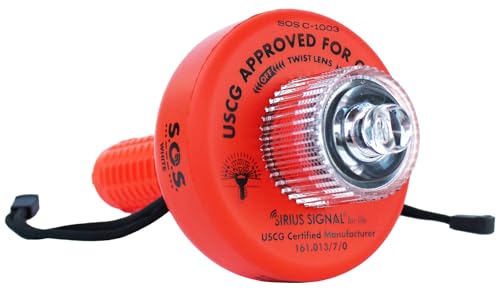
Best for: Boats seeking a modern, electronic distress alternative to pyrotechnics. The C-1003 is Coast Guard approved and includes a daytime flag and whistle. It’s designed for long-lasting operation with a bright SOS indicator visible up to 10 nautical miles.
Why chosen: It eliminates the recurring cost of flare replacements and reduces risk in enclosed spaces. Long-lasting operation and compliance with USCG requirements make it a strong option for family boats and longer trips.
Limitation: It relies on batteries; ensure batteries are fresh and stored per guidelines to avoid signal failure during an outage or long voyage.
ACR ResQFlare Electronic Distress E-Flare Kit
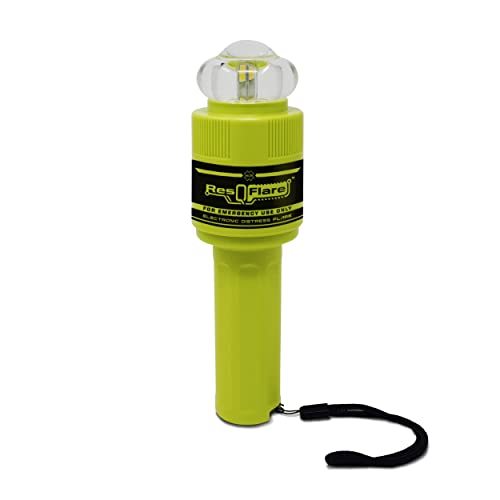
Best for: Boats needing a USCG-approved electronic replacement for traditional pyrotechnic flares, with compact design and full night/day signaling capabilities. Includes a distress flag for daytime signaling.
Why chosen: ResQFlare kits offer 360° light visibility and life-saving performance without the hazards of live ammunition. They’re lightweight, IP67 waterproof, and automatically right themselves if they fall into water, making them suitable for small to medium vessels.
Limitation: While highly reliable, electronic flares depend on battery availability and electronic integrity; periodic checks are essential to ensure readiness.
Orion 584 12 Gauge High-Performance Alerter Basic-4

Best for: Boaters who want a robust, corrosion-resistant 12-gauge launcher with a bandolier for up to six signals. A good choice for lake and coastal boating where quick signaling is a priority.
Why chosen: This option emphasizes immediate signaling power with durable construction suitable for marine environments. The included bandolier helps streamline signaling during emergencies.
Limitation: Packaging may be non-retail or re-packaged, which may affect presentation and storage expectations for some buyers. Verify contents at receipt.
Buying Guide: Key Considerations For Your Boat Signaling Kit
What signaling method fits your boat length and typical voyage? Short river trips may prioritize compact electronic flares, while offshore trips may benefit from traditional pyrotechnic flares for high-altitude visibility.
What regulatory requirements apply to your boating area? USCG compliance matters for long-term legality and reliability during inspections. Consider both visual signaling (flares) and audible signaling (whistles) where permitted.
How important is long signal duration and visibility? Flares offer instant brightness at specific altitudes, while electronic devices provide continuous, visible signals with longer active life, depending on battery health.
What storage and handling considerations apply? Pyrotechnic flares require careful storage, expiration monitoring, and safe handling. Electronic options reduce some hazards but rely on battery maintenance.
Which option best balances risk and readiness for your crew? A combination approach—one pyrotechnic kit for maximum reach and an electronic distress device for day-to-day readability—often provides comprehensive coverage.
How should you maintain readiness? Include a clear inspection schedule, store per manufacturer guidelines, and ensure on-boat accessibility during active operations and emergencies.
Frequently Asked Questions
- What is the best distress signaling method for a small boat? A combination approach works well: a pyrotechnic flare set for high visibility plus an electronic distress device for all-weather reliability.
- Are electronic distress signals USCG approved? Some models are USCG approved; always verify current approvals and kit contents before purchasing.
- How long do flare signals last? Pyrotechnic flares burn for a defined period (often around 7 seconds for red aerial signals), producing a bright, high-altitude signal. Battery-powered devices have variable lifespans based on use and battery type.
- What should I inspect before a trip? Check expiration dates for pyrotechnic flares, battery health for electronic units, and ensure all signaling devices are easily accessible and clearly labeled.
- Can I rely on a single device? For safety, use at least two signaling methods—one high-visibility flare and one electronic or audible device—to maximize chances responders notice you.
- Do these devices require special storage? Yes. Pyrotechnic flares require proper storage away from heat and moisture; electronic devices should be kept dry and within easy reach.