Answering the question “paint your fiberglass boat” with confidence means selecting marine paints that deliver durable adhesion, slip resistance, and a finish that lasts season after season. This guide focuses on top-performing boat paints and primers that work well on fiberglass, and explains who each product is best for. If you want a non-skid deck, a high-gloss topside finish, or a reliable antifouling bottom coat, these options cover common boating needs for American mariners.
Summary table of chosen products:
| Product | Best For | Key Benefit |
|---|---|---|
| TotalBoat TotalTread Non-Skid Deck Paint (White, Quart) | Decks, Docks, Stairs | Durable, low-glare traction with rubberized texture |
| TotalBoat Wet Edge Topside Marine Paint (White, Quart) | Hull topside, trim, exterior surfaces | High-gloss, scratch and UV resistant |
| TotalBoat Marine Topside Boat Paint Primer (White) | Fiberglass and wood topsides | One-part primer with complete coverage in one coat |
| TotalBoat TotalTread Non-Skid Deck Paint (White, Gallon) | Large decks and areas needing traction | Long-lasting polyurethane finish with broad applications |
| TotalBoat JD Select Ablative Antifouling Bottom Paint (Black, Quart) | Boat hulls in salt and fresh water | Self-polishing coating reduces future buildup |
TotalBoat TotalTread Non-Skid Deck Paint

This non-skid deck paint provides a durable, textured, low-glare surface for secure footing. The rubberized texture is less abrasive than traditional silica additives, making it gentler on bare feet. It forms a long-lasting polyurethane finish that resists fading and peeling and is easy to clean without wearing away the coating. Best for boat decks, docks, cabin soles, stairs, and gunwales. Choose this if you want a versatile, maintenance-friendly traction coating for fiberglass and other substrates. A note: surface prep and proper application are essential for best adhesion.
TotalBoat Wet Edge Topside Marine Paint

This topcoat delivers a durable, high-gloss, marine-grade finish with strong color and gloss retention. It is a one-part formula that can be rolled, brushed, or sprayed, making it accessible for various shop setups. Best for topside hulls, trim, and exterior surfaces above the waterline on fiberglass, wood, or metal. It’s a good pick when a glossy, easy-to-clean surface is desirable, but avoid if you plan to use below the waterline or in areas with heavy wear from abrasion.
TotalBoat Marine Topside Boat Paint Primer

This one-part marine primer provides a durable, flexible undercoat for polyurethane and enamel topside paints. It’s designed for use above the waterline on fiberglass, wood, gelcoat, and previously painted surfaces in good condition. Best for preparing a clean base before applying TotalBoat topside paints. It covers efficiently in one coat, with optional second coat for higher build. Choose this primer when you need reliable adhesion and a smooth base for subsequent coats.
TotalBoat TotalTread Non-Skid Deck Paint (Gallon)

This gallon-sized option expands the non-skid solution to larger surfaces, maintaining a durable, slip-resistant surface across decks, docks, and entryways. It shares the same rubberized texture and long-lasting polyurethane finish as the quart version, but is better suited for bigger projects. Best for owners who want uniform traction across sizable fiberglass areas. A limitation is the need for consistent mixing and application to avoid patchy texture in large runs.
TotalBoat Underdog Antifouling Bottom Paint
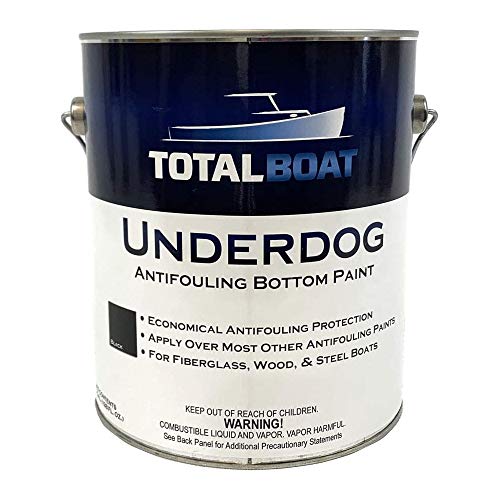
This antifouling bottom paint provides economical single-season protection by releasing biocide as water flows under the hull. It is intended for properly prepared fiberglass, wood, steel, and iron bottoms. Best for boats used frequently in saltwater conditions where barnacles and mussels are a concern. Choose this if you want a bottom coating that reduces foul buildup over a season, with easier cleanup next season. Note that antifouling performance depends on marina rules and water conditions.
TotalBoat JD Select Ablative Bottom Paint

This ablative bottom paint uses a self-polishing film that wears away gradually as the boat moves, minimizing bottom paint buildup for easier next-season prep. It is designed for fiberglass, wood, and steel boats in salt and fresh water. Best for sailors and powerboats that want reduced sanding and simpler maintenance. A caution: self-polishing coatings can require more frequent inspection for erosion patterns in rough conditions.
Buying Guide: Key Purchase Considerations
What type of boat paint do you need? Primers, topside paints, non-skid deck coatings, and bottom antifouling paints serve different roles. For fiberglass, ensure the product is compatible with gelcoat, resin, and your intended application above or below the waterline.
Surface preparation and compatibility
Proper prep is essential for adhesion. Sand glossy surfaces, clean thoroughly, and apply primers when recommended. Primer helps fiberglass and wood surfaces hold topcoats longer and resist cracking or peeling.
Slip resistance vs. aesthetics
Non-skid deck paints prioritize traction and safety, sometimes at the expense of gloss. If you want a glossy finish, consider a high-gloss topside paint and reserve non-skid coatings for decks and step areas.
Durability and maintenance
High-gloss marine paints offer color and gloss retention but may require more frequent cleaning to preserve the finish. Non-skid textures can wear differently depending on foot traffic and abrasion. Bottom paints must match water conditions; antifouling options vary in longevity and effectiveness by saltwater vs. freshwater use.
Application method and workspace
One-part paints are easier for DIY users and work well above the waterline. Spraying, rolling, or brushing is often possible with topside paints. For bottom coatings, follow marina rules about VOCs and cleanup, and ensure proper ventilation when using primers and coatings.
Environmental and regulatory considerations
Some bottom paints contain biocides and low-VOC formulations. Check local marina regulations and water quality guidelines before applying antifouling coatings in protected areas.
Storage and long-term use
Store left-over cans sealed and protected from heat. Many products are brush-on or spray-on; ensure you have compatible cleanup supplies and ventilation for storage in dry, cool locations.
FAQ
- Can I apply these paints directly over fiberglass? Yes, many TotalBoat products are designed for fiberglass above the waterline, with primer recommended for best adhesion.
- Is non-skid paint slippery when wet? Non-skid coatings are textured to improve traction, but always exercise caution on wet surfaces.
- Do I need a primer for fiberglass? A marine primer is often recommended to improve adhesion and coverage for topside finishes.
- How long does antifouling paint last? Durability varies by water conditions and usage; single-season protection is typical for some formulas, with reapplication as needed.
- Can I use Topside Paint below the waterline? Most topside paints are designed for above-waterline surfaces; below the waterline should use antifouling or bottom paints appropriate for immersion.
- Are low-VOC paints better for marinas? Yes, low-VOC formulations are often preferred in marinas and restricted environments for reduced fumes and environmental impact.