Answering the common search for reliable aluminum boat epoxy, this guide highlights five top products chosen for durability, compatibility with aluminum, and practical repair and sealing capabilities. These options suit boat owners performing leaks, cracks, or tough bonding jobs on aluminum hulls, decks, or fittings. The selections include general-purpose marine epoxies, repair syringes, underwater-ready putties, and two-part sealants with long working times. Use this overview to compare how each product handles corrosion resistance, cure times, and ease of use for different repair scenarios.
Summary table of chosen products (quick reference):
- J-B Weld MarineWeld 8272 — Versatile, steel-reinforced two-part epoxy for marine repairs; long-term waterproof and heat resistant.
- STAR BRITE Epoxy Putty Stick — Quick underwater repairs, simple to apply, aluminum-focused formulation.
- TotalBoat Aluminum Boat Leak Sealer — Two-part flexible epoxy sealer with long working time for rivets and seams.
- WEST SYSTEM G/flex Epoxy — Tough, versatile epoxy for bonding damp or wet surfaces, including aluminum.
- AOJEL S300 Metal Epoxy — 2-part repair adhesive designed for rigid metal parts and aluminum repair.
J-B Weld MarineWeld Marine Epoxy 2 oz.

Best for: DIY boaters needing a strong, durable, all-purpose repair that works on metal, fiberglass, and wood surfaces. MarineWeld is steel-reinforced and provides a robust bond suitable for hull patches, seams, and fittings exposed to water and varying temperatures.
Why chosen: The 1:1 mix and 4–6 hour set window offer a practical balance between working time and cure strength. Its 5020 PSI tensile strength and waterproof formula make it reliable for marine environments. It is useful when a cured repair must tolerate submersion and mild heat exposure.
Limitations: Curing can take up to 24 hours for full strength; user must ensure thorough mixing and clamping for best results. Not ideal for flexible or heavily stressed joints without supplemental support.
Travaco RM330K Gluvit Waterproof Epoxy Sealer
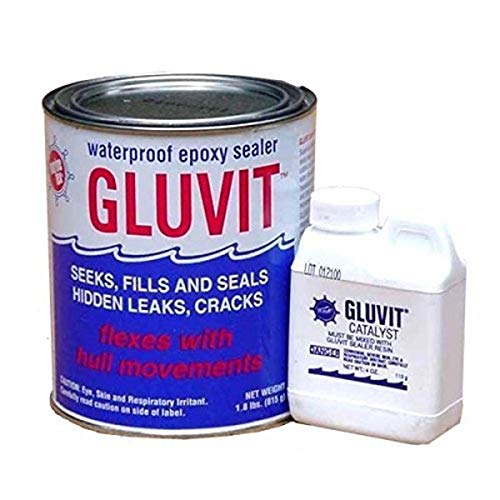
Best for: Sealing aluminum hull leaks and seams with a protective barrier across hulls and decks, especially where rivets or joints show minor seepage.
Why chosen: Gluvit provides a robust seal against water intrusion and is formulated to protect various materials, including aluminum. This makes it a practical choice for quick, reliable leak sealing around rivets and joints.
Limitations: It is primarily a sealer and may require surface prep and curing time; not a heavy-duty structural repair product for wide cracks or extreme loads.
AOJEL S300 Metal Epoxy, 2-Part

Best for: Rigid metal parts where ordinary glue fails, including aluminum brackets, frames, and damaged castings.
Why chosen: AOJEL S300 offers a longer working time, which helps with precise alignment and clamping. It is particularly suited for substantial aluminum repairs where control matters and a rigid repair is required.
Limitations: As a rigid two-part epoxy, it may be less forgiving on dynamic loads or flexible components; proper cleaning and surface prep are essential for adhesion.
STAR BRITE Epoxy Putty Stick

Best for: Emergency underwater repairs and quick patching on aluminum boats, outdrives, and related components.
Why chosen: The quick-setting putty is designed for underwater or covered areas where a rapid seal is needed. It bonds well to aluminum and can cure underwater with surface area sufficient for patching.
Limitations: Not a long-term structural fix for large openings; apply in layers for larger repairs and avoid relying on it for high-stress joints.
WEST SYSTEM G/flex Epoxy (2-4 oz)

Best for: Permanent bonding and repairs on damp or submerged aluminum parts, and for repairs requiring attachment to metal, plastics, and wood.
Why chosen: G/flex is known for sticking to damp surfaces and performing well in wet conditions. This makes it a strong choice for underwater patching or repairs where air exposure is limited.
Limitations: It is a specialized epoxy with higher viscosity; follow mixing ratios and cure guidance to avoid weaker bonds on cold or damp days.
Buying Guide: Key Considerations For Aluminum Boat Epoxy
- Surface preparation: Clean, dry, and roughen aluminum surfaces to maximize adhesion. Degreasing and removing corrosion improves bond strength.
- Working time vs. cure time: Longer working times help with precise alignment; longer cure times can delay use of the repaired area. Choose based on project scale and deadline.
- Flexibility vs. rigidity: Use flexible sealants for joints and rivets, rigid epoxies for structural repairs and brackets. Aluminum can flex under stress, so balance needs carefully.
- Water exposure: For underwater or submerged repairs, select products designed to bond and cure in damp conditions or underwater if necessary.
- Temperature range: Temperature tolerance matters in marine environments. Select epoxies and sealers rated for the expected operating range of your vessel.
- Compatibility: Ensure the epoxy is compatible with aluminum and doesn’t react adversely with any coatings or fasteners present on the hull.
- Repair type: For leaks and seams, consider two-part sealants with good gap-filling properties. For structural needs, prioritize high-strength, rigid epoxies.
- Application method: Syringes and putty sticks offer convenient application for small jobs; larger repairs might require mixing and clamping for best results.
Frequently Asked Questions
- What epoxy is best for aluminum boat leaks? – Two-part epoxies with good adhesion to aluminum and waterproof properties are preferred for leaks, especially around rivets and seams.
- Can I use epoxy under water? – Some products are designed for underwater application; read product directions for curing in submerged conditions.
- How long does epoxy take to cure on aluminum? – Cure times vary; some products begin to harden within hours, but full cure may take 16–24 hours or longer depending on type and temperature.
- Is a flexible epoxy better than a rigid one for hull repairs? – Flexible epoxies can absorb stress and vibration, which is beneficial for certain joints, but rigid epoxies provide stronger structural bonds for brackets and cracked parts.
- Do I need primer before epoxy on aluminum? – Surface prep is key; primers may help in some cases, but most epoxies require clean, roughened aluminum for best adhesion.
- Are epoxy sealers enough for hull leaks, or do I need a patch? – For small leaks, sealers can seal rivets and seams; large holes or structurally compromised areas often require a patch with a high-strength epoxy.