Answering the needs of boaters seeking reliable fuel systems and easy maintenance for fuel-injected engines. This guide highlights five products well suited for marine powertrains that use fuel injection, with practical notes on who benefits most from each choice. The selections cover fuel treatment, lines, filters, pumps, and primer components to help keep engines running smoothly on the water.
| Product | Best For | Why It Stands Out |
|---|---|---|
| Mercury 8M0047930 Quickare Fuel Treatment Additive | Prevention & cleaning for ethanol blends | Protects and cleans fuel system components; extends fuel freshness up to 3 months |
| Attwood 93806MUS7 Marine Fuel Line Kit | Safe connections and easy priming | Sprayless connector reduces fuel sprays; durable hose and fittings |
| Sunnyglade 6FT Fuel Line Assembly | Flexible replacement line with priming capability | Priming bulb and 6 ft line simplify installations and servicing |
| SouthMarine Electric Fuel Pump | New or replacement pump for mid-range HP engines | Direct-fit option for various Mercury/Mariner style motors |
| WFDAMS 5/16 Fuel Filter Inline | Visible filtration and reusable element | Aluminum body with clear housing for quick debris checks |
Mercury 8M0047930 Quickare Fuel Treatment Additive
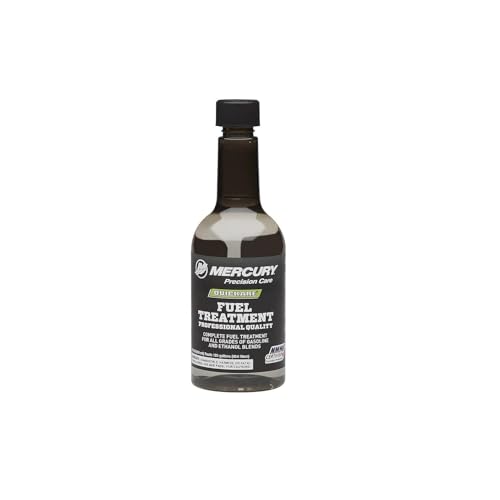
Best for: Boat owners seeking fuel-system cleansing and stabilization. This additive helps keep fuel fresh for up to three months and works to remove varnish and gum deposits from fuel lines, tanks, carburetors, injectors, intake valves, and spark plugs. It also targets ethanol-related phase separation and corrosion protection. Choose this for preventative maintenance in ethanol-blended gasoline environments.
limitation: This product is an additive and assumes compatible fuel systems; verify compatibility with your specific outboard model before use.
kakufunny Fuel Line With Bulb Priming Kit

Best for: Quick, on-board fuel transfers and emergency priming. This kit includes a built-in one-way valve and a high-elasticity bulb, enabling fast priming and preventing backflow. It’s well suited for small fuel transfers and emergency priming on marine projects. Three-layer protection reduces leaks during use.
cautions: Not a replacement for a permanent fuel line; inspect hoses for wear and ensure compatibility with your fuel type and engine requirements.
WFDAMS 5/16 Inline Fuel Filter
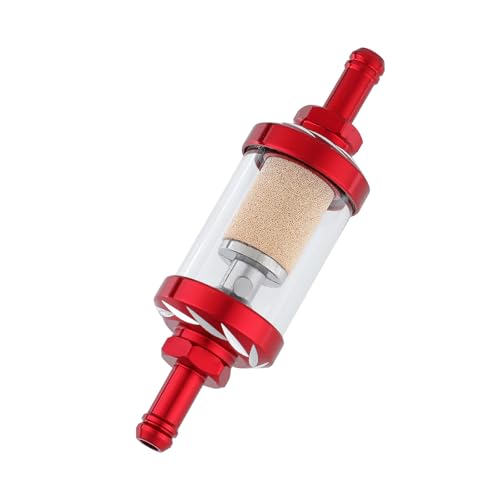
Best for: Small engine and non-fuel-injected systems that still require reliable filtration. This reusable, washable aluminum filter uses a transparent housing for quick fuel condition checks and debris monitoring. It’s designed to withstand rugged marine use while keeping maintenance costs down.
limitation: The filter is rated for general use and is best matched to appropriate flow and fuel system pressures; verify your boat’s fuel system compatibility before installation.
SouthMarine Electric Fuel Pump For Mercury/Mariner

Best for: Replacing or upgrading fuel delivery in mid-power marine engines (20–60 HP range). This pump is designed for Mercury/Mariner style motors and helps ensure steady fuel pressure to the injectors or carburetors. It’s a practical option when original parts are unavailable or as part of a reliability upgrade.
caution: Always check fitment against your exact engine model and ensure electrical compatibility and mounting clearances prior to installation.
Attwood 93806MUS7 Marine Fuel Line Kit

Best for: Boats needing a safe, spray-free fuel connection. This kit includes Attwood’s sprayless connector and a multi-layer primer bulb with improved fuel output. It also provides a 3/8-inch low-permeation hose that resists kinking and hardening, rated up to 100 degrees Celsius. Choose this for safer handling and reliable line performance.
caution: Ensure hose length and connector compatibility with your boat’s fuel routing and engine inlet specifications.
Buying Guide
What matters most when choosing fuel-system parts for a fuel-injected boat motor. Here are practical considerations to help you decide.
What type of fuel system do you have?
Determine whether your engine uses a true fuel-injected system or a carbureted setup. Fuel treatment and filters are especially valuable for ethanol-blended fuels in injections systems, while primer bulbs and line kits are broadly compatible with multiple setups.
How important is filtration and visibility?
Filters with clear housings allow quick inspection for water or debris. A washable, reusable filter can reduce ongoing costs, but you must regularly clean elements to maintain performance in dirty or high-use environments.
Protection against ethanol and varnish?
Fuel additives that stabilize ethanol-blended fuels help prevent phase separation and gum formation. Regular maintenance with the right additive extends fuel system life and preserves injector cleanliness.
Replacement parts fit and ease of installation?
Choose parts with straightforward replacement pathways for your engine model. Primers, hoses, and connectors should mate cleanly with existing fittings to minimize leaks and installation time.
Safety and handling considerations
Use sprayless connectors and leak-preventive designs to reduce fuel spray risks during lines connections. Inspect lines and clamps for wear, and replace any aged components before water exposure or storage periods.
FAQ
Is a fuel additive necessary for fuel-injected engines?
Benefits include preventing varnish buildup and stabilizing fuel blends. Use as part of regular maintenance when ethanol is present in your fuel.
Can I replace my boat fuel line myself?
Yes, with the right size and compatible fittings. Follow manufacturer guidelines and ensure a leak-free installation.
What should I look for in a fuel pump replacement?
Match the pump to your engine’s HP range, check mounting and electrical compatibility, and verify fuel pressures required by the injectors or carburetors.
Are clear fuel filters worth it for boats?
Yes, they help you see contaminants and water quickly, supporting timely maintenance decisions.
How often should I replace fuel lines and hoses?
Inspect hoses for cracking, stiffness, and wear at least once per season; replace if signs of degradation appear.