Answering the common buyer question: which tow bridle for boat setup offers reliable center pulling, buoyant safety features, and easy attachment for 1-4 person tubes or boards? This guide compares five top options, highlighting who each is best for and why. Ideal for boaters who tow tubes, wakeboards, wakesurf boards, or water skis, these bridles emphasize center towing, floatation, and durable hardware. Use the quick reference table below to compare core specs and intended uses at a glance.
| Product | Best For | Key Feature | Strength / Float |
|---|---|---|---|
| Airhead Heavy Duty Tow Harness | Wide boats, 1-4 rider tubes | Kwik-Connect system, 12-ft rope | High strength rope, 3/4″ hooks |
| ASVAEVAS Self Centering Tow Harness | Stable turns, buoyant visibility | 360° rotation pulley, yellow float | 5000-lb break strength |
| SELEWARE Self-Centering Tow Harness | Protect gel coat, sharp turns | 4″ float ball, stainless hardware | 5000-lb tensile strength |
| BeneLabel Tow Harness with Pulley | Versatile water sports | 4″ float, stainless steel pulley | Up to 5000 lb, center pull |
| FEIJAZUM 3 Point Dinghy Towing Bridle | Inflatable boats, easier control | Adjustable middle leg, buoyant float | 1″ high-strength webbing |
Airhead Heavy Duty Tow Harness for 1-4 Rider Towables

Best for: Boat owners towing 1-4 rider tubes, water skis, wakesurf boards, or wakeboards. This harness uses a Kwik-Connect system for quick attachment and a long 12-foot rope to span wide beams. It’s a straightforward option when ease of use and robust build are priorities. The two hooks with 3/4-inch openings help ensure secure connections. Limitations: It is a rope-based tether, so users should inspect for wear at the hooks and rope integrity after extensive use.
ASVAEVAS Self Centering Tow Harness

Best for: Tow setups requiring a centered pull with strong resilience. This harness features a 360° rotation pulley to keep the line centered during turns, reducing the risk of capsizing. A bright yellow float and foam flotation sections improve visibility and buoyancy, aiding retrieval and safety. Caution: The system’s complexity may require more careful setup compared to simpler harnesses.
SELEWARE Self-Centering Tow Harness

Best for: Those seeking a heavy-duty, center-pulling option with built-in flotation. Its 4″ float ball keeps components above water and away from props, while stainless steel hardware and a 5000 lb tensile limit support durable use in wakes and tubes. Limit: Like other high-strength bridles, ensure compatibility with your boat’s stern points and ensure proper rope routing to avoid entanglement.
BeneLabel Boat Tow Harness with Pulley

Best for: Water sports enthusiasts who want a centered towing setup with reliable pulley action. It combines a stainless steel pulley, a 4″ float, and a simple clip-to-boat stern connection. This model is suitable for 1-4 person tubes, wakeboards, or jet skis. Tip: Easy attachment makes it a strong choice for casual tow days, though check the hardware periodically for corrosion in saltwater use.
FEIJAZUM 3 Point Dinghy Towing Bridle
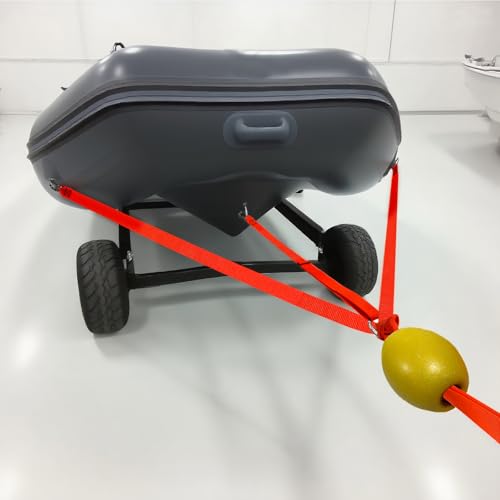
Best for: Inflatable or small dinghy boats needing evenly distributed pull. Its adjustable middle leg balances force across both sides, reducing the risk of vessel displacement. The 1-inch high-strength polyester webbing provides dependable long-term use with a buoyant yellow float to keep line above water. Limitation: Suited for smaller craft; heavier loads may demand stronger tether configurations.
Buying Guide
Key purchase considerations help distinguish the best tow bridle for your boat and watersports setup.
- Centering and turning stability: Look for self-centering pulleys or swivel attachments to minimize sideways pull and protect gel coat during sharp maneuvers.
- Strength vs. weight: Bridles rated around 5000 lb tensile strength provide ample reserve for 1-4 rider tubes and wake setups, while heavier builds add durability for frequent usage.
- Buoyancy and visibility: Floats or buoyant modules improve visibility, reduce sinking risk, and keep the line away from propellers during retrieval.
- Attachment simplicity: Quick-connect or Kwik-Connect systems save setup time and reduce misattachment risk.
- Compatibility: Confirm rope length, hook size, and stern attachment points match your boat’s configuration and the requested towing gear.
- Material and corrosion: Stainless steel hardware and high-strength polyethylene or polyester lines offer longer life in saltwater environments.
Frequently Asked Questions
- Q: What is the main advantage of a self-centering tow harness?
A: It maintains a centered pull behind the boat, reducing side-to-side steering forces and helping prevent capsizes during turns. - Q: How long should the tow rope be?
A: Typical lengths range from 10 to 12 feet, depending on boat width and stern geometry; longer ropes spread pull more evenly on wider boats. - Q: Are floats necessary?
A: Floats improve visibility and keep the line away from the propeller, reducing entanglement risk and tangling with hull features. - Q: Can these bridles be used for jet skis and wakesurf boards?
A: Yes, most are designed to handle multiple water sports devices with proper attachment points and load ratings. - Q: Do these bridles require maintenance?
A: Yes. Regularly inspect for wear, fraying, and corrosion; replace parts showing signs of damage or excessive wear. - Q: Should I choose a 1-4 rider harness for inflatable dinghies?
A: For inflatables, ensure the bridle distributes load evenly and includes buoyancy to prevent sinking; some designs are better suited for small craft.