Answering the need for a reliable, weather-ready sealant for boat windows, these products deliver clear, UV-resistant adhesion that withstands saltwater and sun. Ideal for boat owners, cruisers, and weekend sailors who want a long-lasting, glass-clear seal. Below, you’ll find five top options chosen for window compatibility, transparency, and ease of use. The buyer’s guide at the end outlines what to consider when choosing a marine sealant for windows, plus practical FAQs.
| Product | Best For | Key Benefit |
|---|---|---|
| Tylove [Crystal Clear] 5200 Marine Sealant | Glass/plexiglass windows | Crystal-clear, fast-curing, UV-resistant |
| 3M Marine Grade Silicone Sealant 08019 | Above-waterline and wide surface range | Tough, flexible, easy-to-use |
| [Crystal Clear] 4200 Marine Sealant | Glass and polished surfaces | Glass-like transparency, fast cure |
| 3M Marine Adhesive Sealant 4000 UV | Under- and above-waterline sealing | Color-stable, paintable, UV resistant |
| [Black] 5200 Marine Sealant Fortivo | High-load, below-waterline sealing | Heavy-duty bond, fast cure |
Notes: This selection prioritizes products with clear, transparent finishes for windows, strong resistance to UV and saltwater, and relatively straightforward application. Each entry includes a recommended use case and a practical caveat to help you choose confidently.
Crystal Clear 5200 Marine Sealant (Tylove)

Format: 10.5 oz tube. Theme: crystal-clear, glass-like transparency with light transmission >95%. Best for glass, acrylics, and polished surfaces. Designed as a professional-grade marine sealant that tolerates saltwater, sun, and weather. Initial set in 30 minutes; full cure in 24 hours. Tensile strength around 500 PSI for permanent sealing. This is a strong choice for boat windows where clarity and long-term adhesion matter. Best for owners who want a nearly invisible seal along window edges. Caution: ensure surfaces are clean and dry for optimal bonding; not ideal for structural gaps that flex significantly.
Why it’s selected: Clear, fast-curing, and UV-stable, making it suitable for exterior window seams where aesthetics matter. Best for glass or acrylic windows on deck or cabin areas that experience high exposure to sun and salt spray.
3M Marine Grade Silicone Sealant 08019
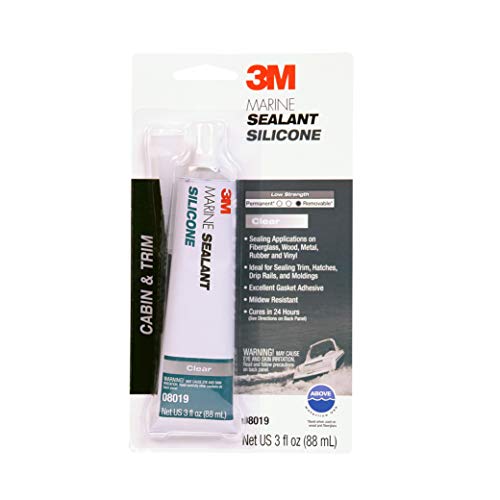
Format: 3 fl oz tube. This marine sealant is designed for above the waterline and interior/exterior sealing on boats and RVs. It remains tough and flexible across a wide range of surfaces, including bare and painted metal, glass, fiberglass, plastics, and some woods. Easy to use—no mixing required. Cures in as little as 24 hours, allowing faster return to water. Best for boat windows where flexibility and surface variety matter. Caution: not ideal for structural challenges or surfaces with heavy movement beyond typical boating vibrations; check compatibility with painted surfaces to avoid paint lift.
Why it’s selected: Highly versatile with strong flexibility and an uncomplicated application process, making it a solid pick for window seals on various window framing materials around a boat.
Crystal Clear 4200 Marine Sealant (Tylove)

Format: 10.5 oz tube. This sealant mirrors the 5200 line with crystal-clear, glass-like transparency and UV resistance. It’s designed for boats and marine applications involving windows, glass, and polished surfaces. Offers quick curing with robust bonding. Best for owners who want maximum clarity and long-term adhesion in exterior window seams. Caution: ensure proper curing conditions; avoid application in freezing temperatures or on wet surfaces for optimal results.
Why it’s selected: A near-identical clarity option to 5200, but with its own packaging and cure profile, giving you a reliable alternative when color and transparency are critical for window aesthetics.
3M Marine Adhesive Sealant 4000 UV

Format: 3 fl oz tube. This sealant is UV resistant and color-stable, designed for applications above and below waterline. It remains paintable when wet and forms a skin in 30-60 minutes, allowing painting soon after application. Suitable for a wide range of surfaces, including metal and fiberglass. Best for windows where you might want to paint to match hull color. Caution: painting timing can vary with humidity; follow the product’s skin-forming window for best results.
Why it’s selected: Combines UV resistance and paintability, enabling seamless color integration with boat exteriors around window frames while delivering durable sealing above and below waterline.
Fortivo [Black] 5200 Marine Sealant

Format: 10 oz. Black variant providing high-load bearing capacity for tough marine applications. UV protected with all-weather shield, intended for below-waterline sealing and hull work. Fast cure: tack-free in about 2 hours and full strength in roughly 24 hours. Best for users who need a strong, durable seal that can blend with darker hull areas or provide a discreet seal where color matching is essential. Caution: the dark color may show debris more readily in sunlit areas; ensure surface preparation matches the color requirement.
Buying Guide: How To Choose The Right Boat Window Sealant
What window material are you sealing?
Glass, acrylic, and polycarbonate windows behave differently with sealants. Look for crystal-clear formulas that dry transparent for glass-like aesthetics. For acrylics and polycarbonates, choose sealants rated for these plastics to avoid crazing or hazing.
Is sealing above or below the waterline important?
Above-waterline formulas emphasize UV resistance and flexibility, while below-waterline options prioritize underwater exposure durability. If your window frames are frequently splashed but not fully submerged, favor UV-stable, flexible products with strong adhesion to glass and metal.
How important is curing speed and work time?
Fast-curing products reduce downtime, but some surfaces need longer tack times to achieve a strong bond. Consider initial set times (30 minutes typical) and full cure times (24–48 hours) when planning maintenance windows.
Do you need paintability or color matching?
Some marine sealants are paintable while wet, enabling color coordination with the hull. If you prefer a seamless look, select a paintable option with clear or color-stable properties.
What surfaces will you seal?
Metal, fiberglass, painted surfaces, and plastics each react differently to sealants. Verify compatibility with your boat’s window frames and any coatings to prevent delamination or surface damage.
Common pros and cons at a glance
- Clear, UV-resistant sealants provide aesthetics and longevity for windows; watch for non-marine-grade components on saltwater boats.
- Silicone-based products offer flexibility and broad material compatibility but may require precise surface prep.
- One-part, no-mix formulas simplify application but ensure you don’t need to paint over wet sealant unless it’s designed for painting.
FAQ
- Q: Can these sealants be used on all boat windows?
A: Most are suitable for glass, acrylic, and polished surfaces, but always check surface compatibility and curing requirements for your specific window material. - Q: Do these sealants cure underwater after installation?
A: Some products cure quicker above water, while others are designed to cure along with exposure; follow manufacturer guidance for best results. - Q: Are these sealants paintable after curing?
A: Paintable options exist, particularly those labeled as paintable or suitable for painting when wet; verify compatibility with your paint type. - Q: How long before I can re-enter the water after sealing windows?
A: Typical full cure spans 24–48 hours, but outdoor temperatures and humidity can affect cure time; plan accordingly. - Q: Do I need a primer before applying marine sealants?
A: Most marine sealants don’t require primer, but proper surface prep (clean, dry, and free of old sealant) is essential for adhesion.